Capes are pieces of land that protrude out to the sea. Often found at the edge of land masses on a map, they serve as references for sailors. Some capes, such as the Cape of Good Hope in South Africa or Cape Horn in South America have done so for centuries. No doubt they instilled a sense of awe and fear in ancient mariners, who weren’t sure about what might lie beyond, or if they might disappear off the face of the Earth into an abyss. Even with modern exploration and geography having made significant strides since the Middle Ages, it is still difficult to feel at ease when considering a cape. One imagines large sea waves crashing against jagged rocks, storms, drama, and a sort of anxiety about whether this cape marks the end of everything.
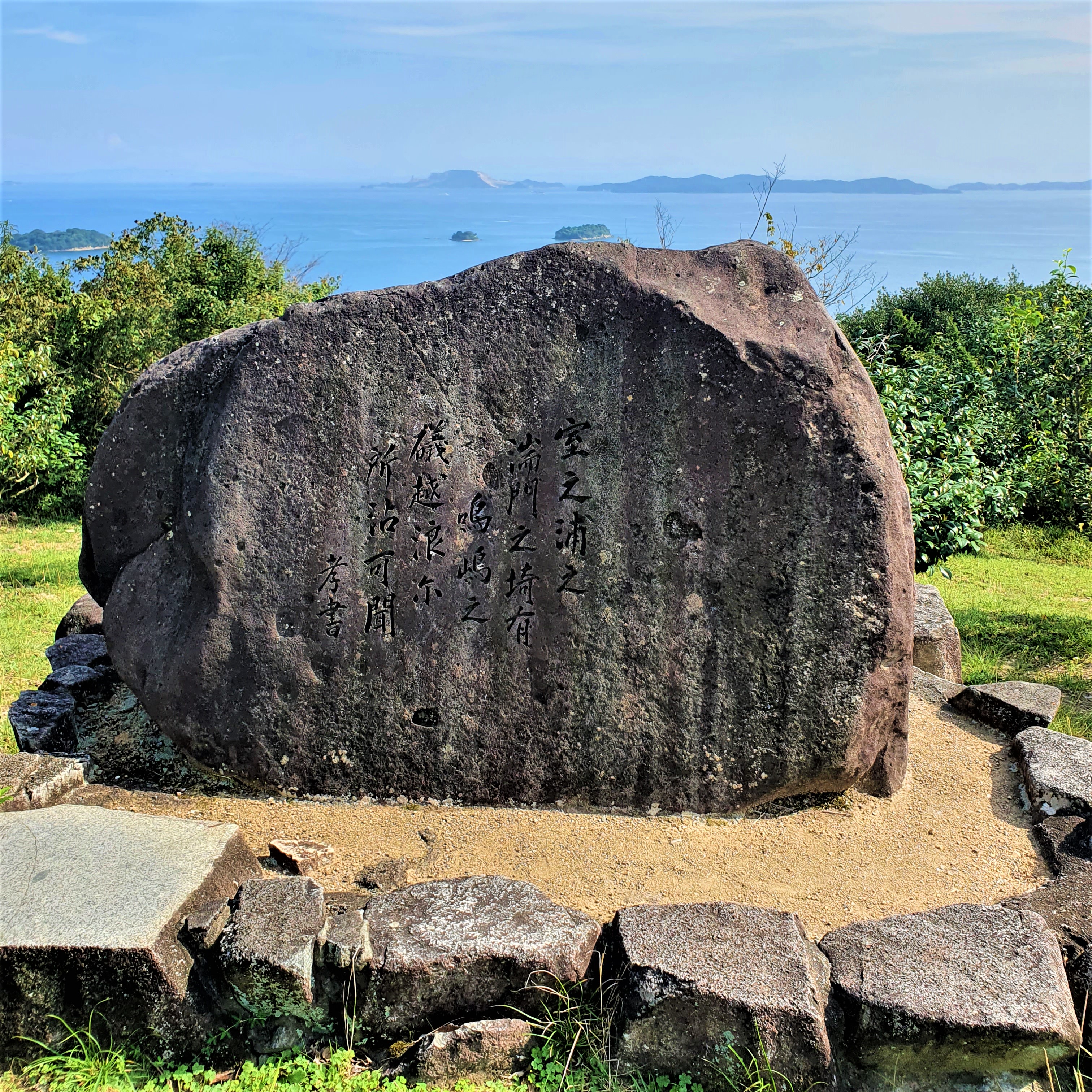
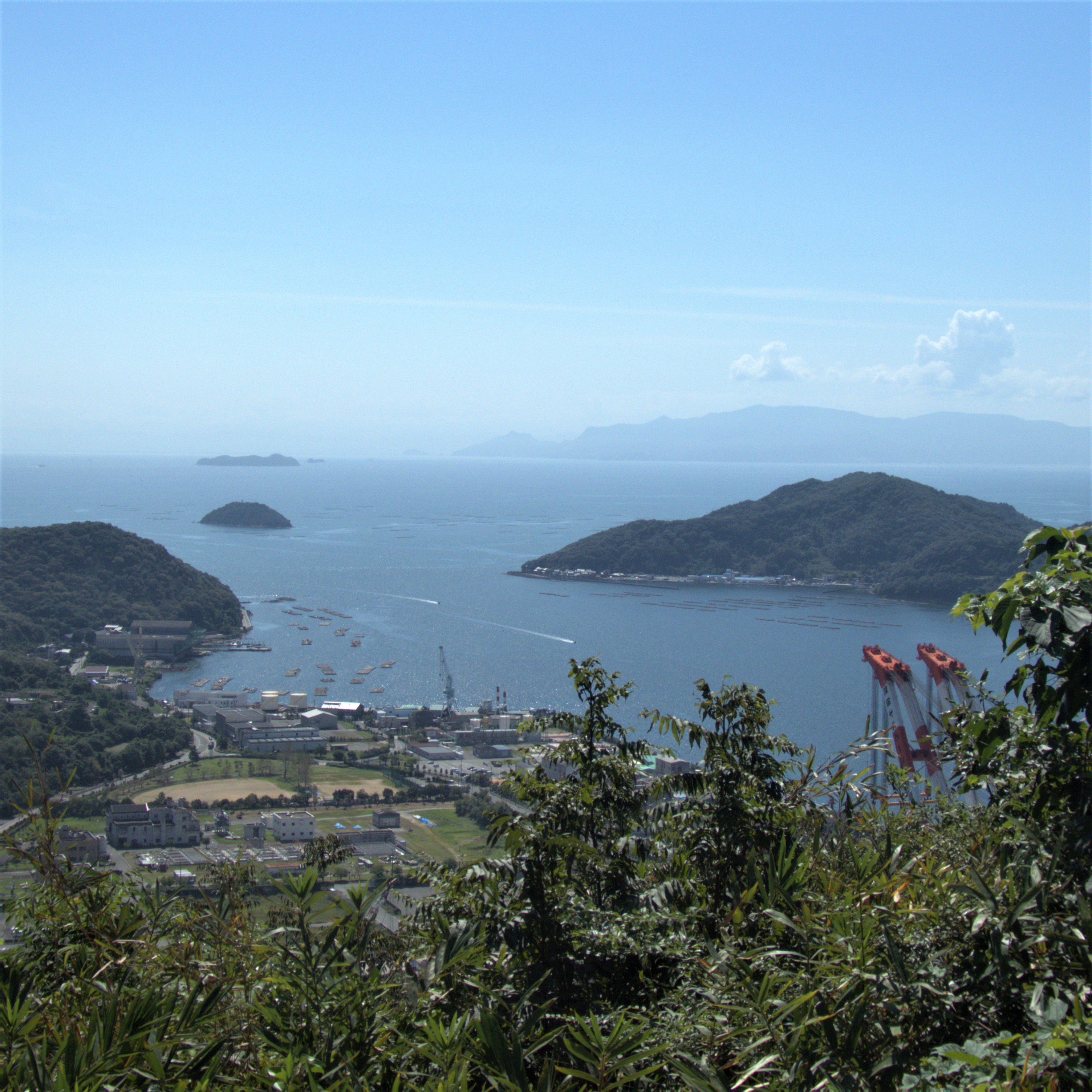
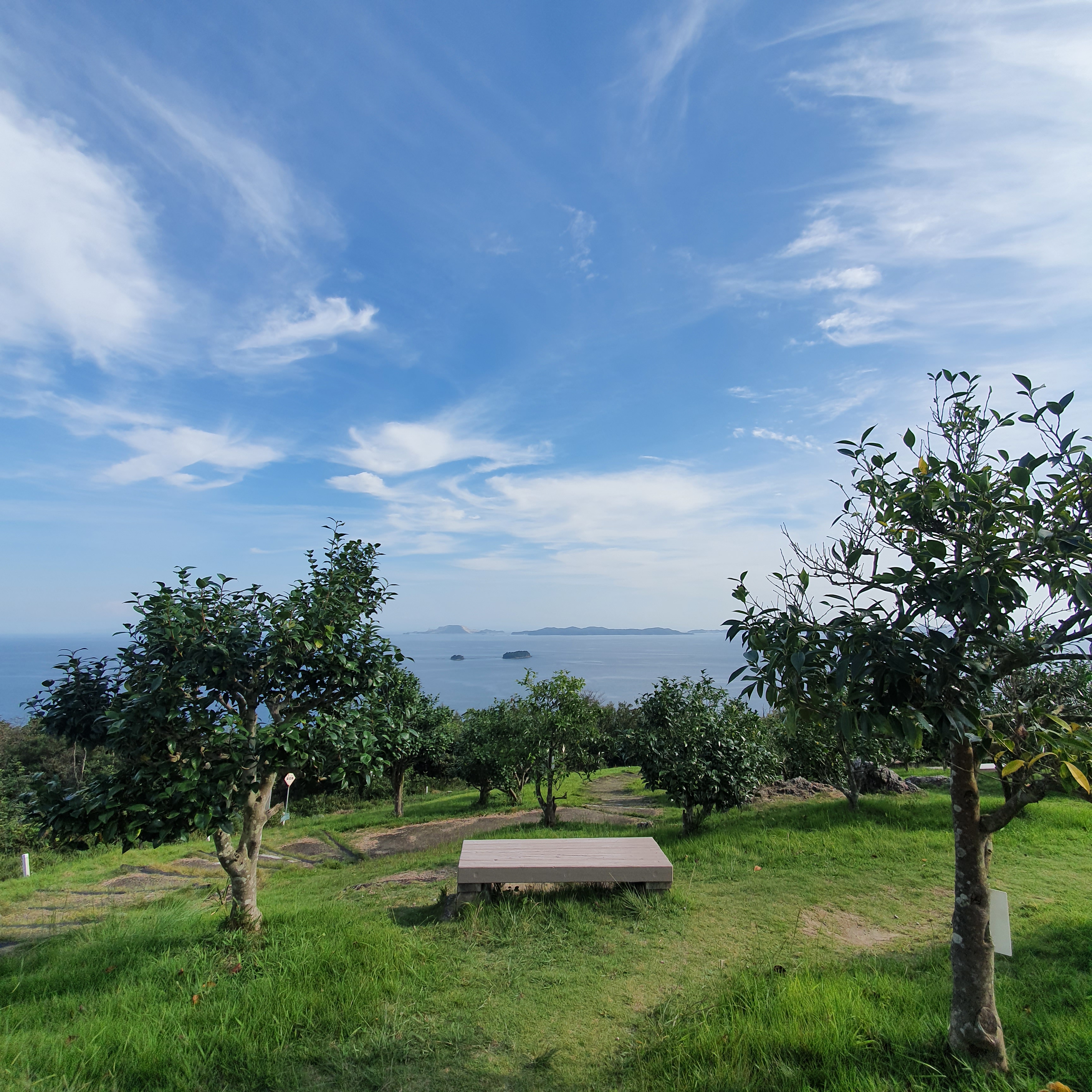
Cape Manyo off the Aioi bay, is of a milder nature. As one goes west from Osaka Bay, past Kobe and Himeji, the texture and tone of the sea seem to become softer. The Seto Inland Sea, a waterbody connecting the Pacific Ocean and the Sea of Japan, separates three of Japan’s largest islands: Honshu, Shikoku, and Kyushu. Cradled by the surrounding coastal areas, speckled with a number of small islands, the sea leads to a moderate annual climate in the region. The green hilly islands, the fishing boats and the mild blue sea make for a rewarding view. The view at Cape Manyo was immortalized in a poem by Akahito Yamabe, an eight century AD poet from the Nara period who published his poems in Manyosho, a famous collection of short poems by people from various parts of the society at the time.
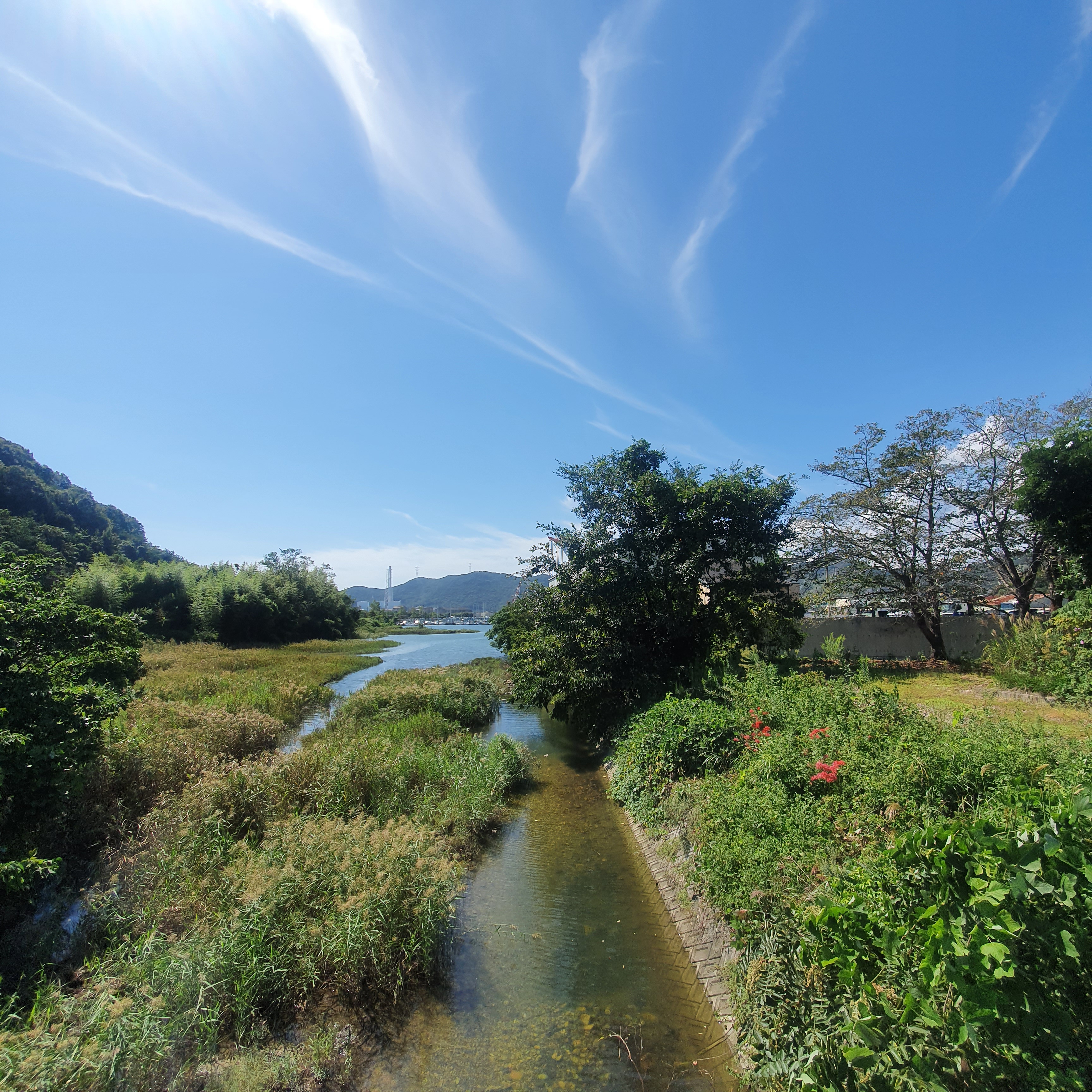
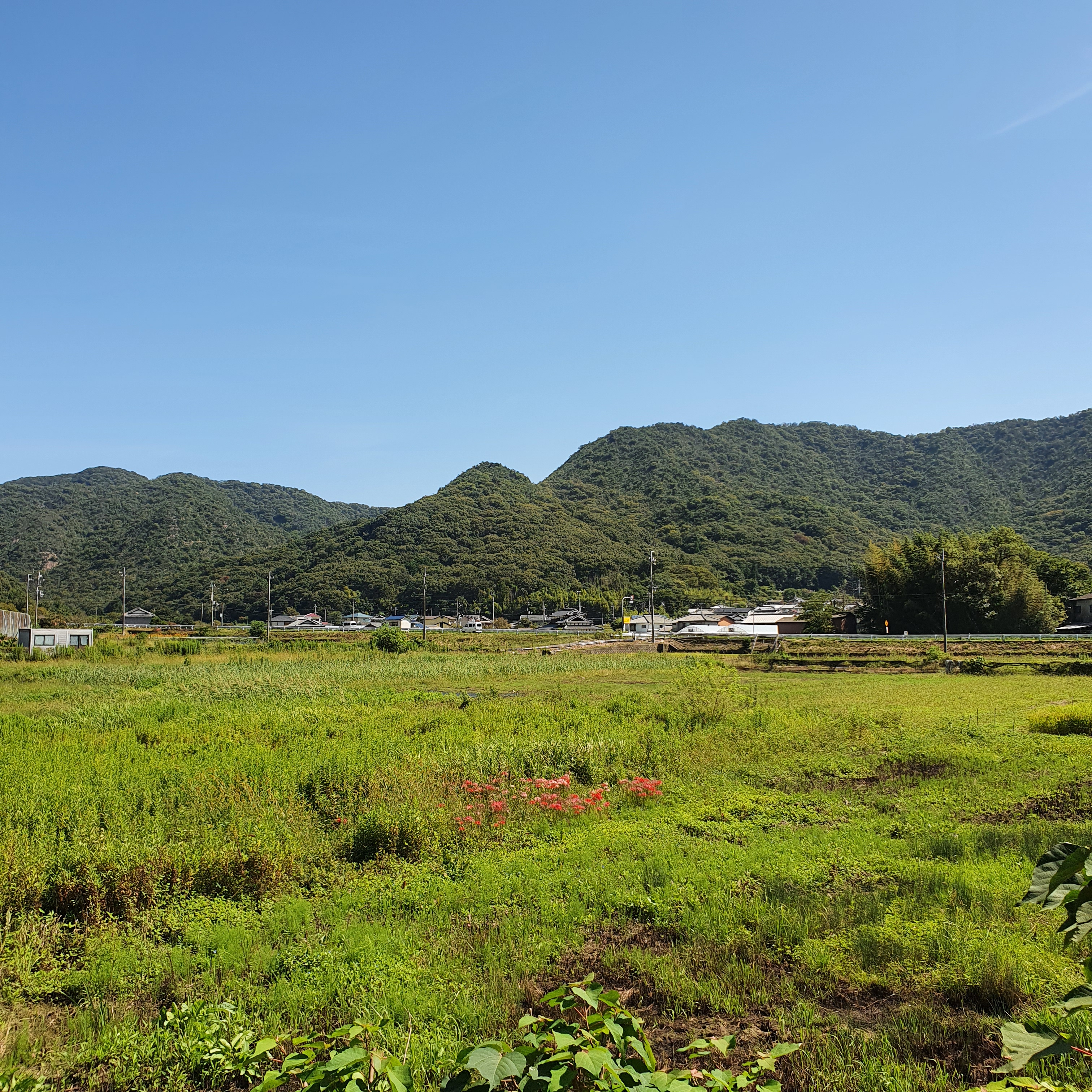
Gazing upon the Seto islands, the industrialization of Osaka seems distant. Rice fields line the train tracks that lead here, and the air on the cape is clear and fresh. What could life be like for someone living here, and looking out to this bay? Do they eat fresh foods, care not for consumption of goods and services, go running in nature every day, make do with little?
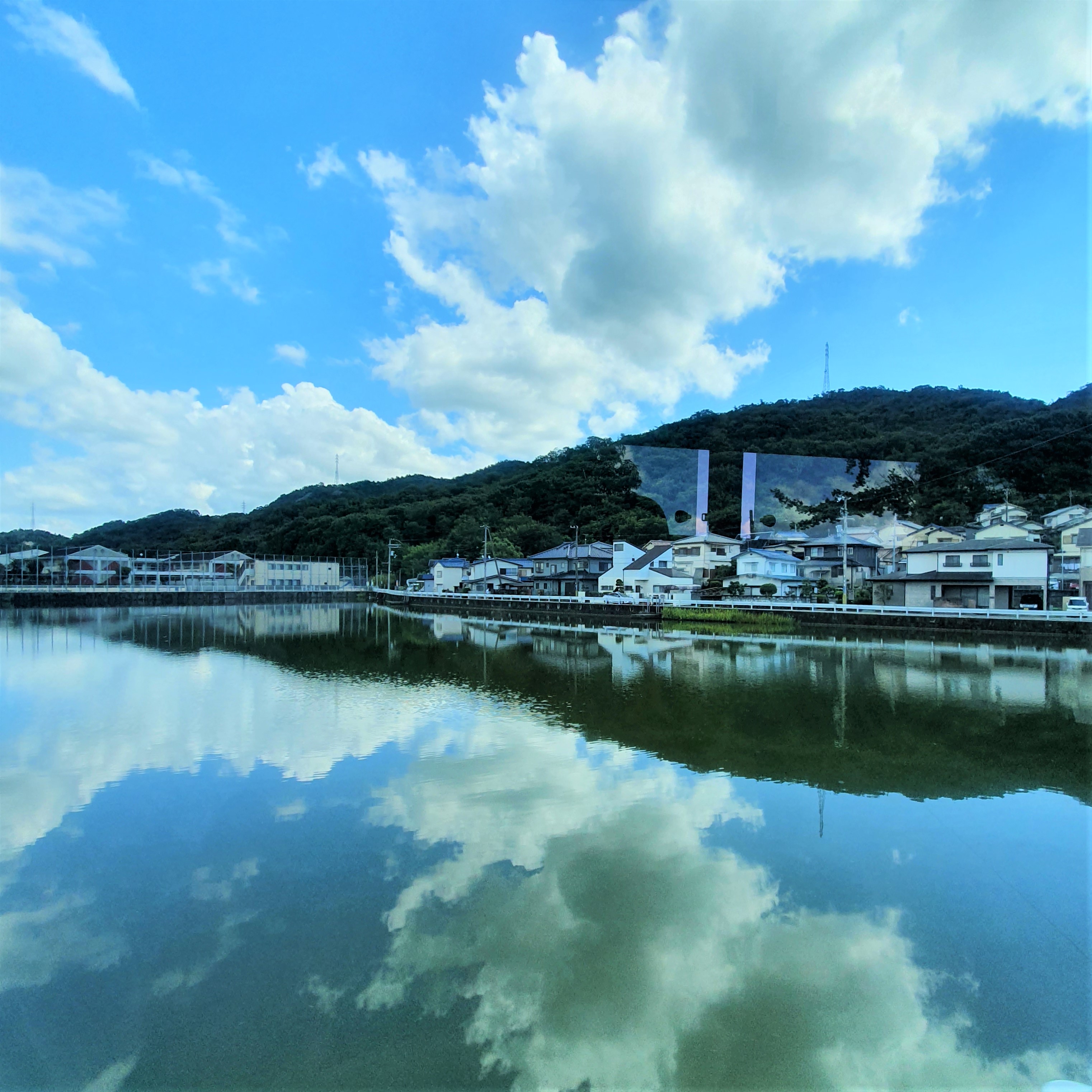
Upon closer inspection, industrialization has found its way here too. Aioi has shipbuilding docks and warehouses all along the bay. The city has a history of shipbuilding and grew in reputation for it. After the World War 2, Japan was not allowed to build huge ships for a while, but the industry has been revived since then, although it is of a smaller scale at present.
There are several capes in Japan, each unique in its geography. Those that jut out to the inland sea feel like they are in reach, inspiring not the sense of awe that geographical capes on the map inspire, but a pleasant curiosity and a joyous frame of reference. On the one hand, this warmth is refreshing. On the other hand, it is a reminder of one’s true nature. The explorations of those other worlds – the expeditions to the Poles, the boats that sail around the world, the mountaineers that climb snowy peaks – are thrilling. But it is highly likely, that they will continue to be experienced not in person, but through literature or film. One craves all manner of things and experiences. When in the city struggling on a capitalistic pursuit, a nomadic existence in the quiet and nature of the country call. Art versus the economy. Stability versus adventure. Comfort versus challenge. When on a break in the country, the conveniences of city life beckon. Nothing it seems, is as pleasurable and satisfying, as that craving of the intangible, the other, what lies beyond. Cape Manyo may not offer any answers, just a space somewhere just very slightly outside one’s comfort zone, where it might be possible to gaze out to the islands and pause for a while.

Access – JR Aioi station, buses, More information here
 Secrets from Japan and beyond