Religious persecution—particularly of Christianity—has a long, complex history in Japan, beginning with the widely accepted account that the Portuguese introduced the faith in 1549. Francis Xavier, a Basque cleric who studied in France, had first traveled to India under the patronage of the Portuguese crown before eventually bringing Christianity to Japan. Portuguese traders had arrived a few years earlier, in 1543, and had established trades of firearms, textiles, and other wares 1. The missionaries established relationships with local feudal lords or daimyos, built churches and hospitals, and started to preach catholicism. Christianity spread through various regions; according to some reports, the number of believers was 700,000 in 1605 2.
For a time, the shogunate tolerated missionaries to benefit from foreign trade. However, in 1637, discontent with new taxes and regulations imposed by a local lord led 38,000 Christians and farmers in the Shimabara and Amakusa regions to rise up in what became known as the Shimabara Rebellion—the only major civil unrest during the two centuries of Tokugawa rule. The shogunate deployed over 120,000 troops and finally put down the rebellion, but from this point on, they became increasingly stringent in their ban on Christianity and foreign influence3. They banned Portuguese missionaries and traders and allowed only a Dutch trading post deemed safe from missionary influence. Christians were required to renounce their faith. In a practice called fumi-e, authorities asked suspected Christians to step on an image of Christ or the Virgin Mary to prove they were not believers of the faith. Failure was punishable by torture or even death. Christians were forced to practice their faith secretly, developing ingenious ways to camouflage Christian motifs and icons in shrines and Buddhist temples. Many escaped to remote areas. Sotome in Nagasaki Prefecture was one such place.
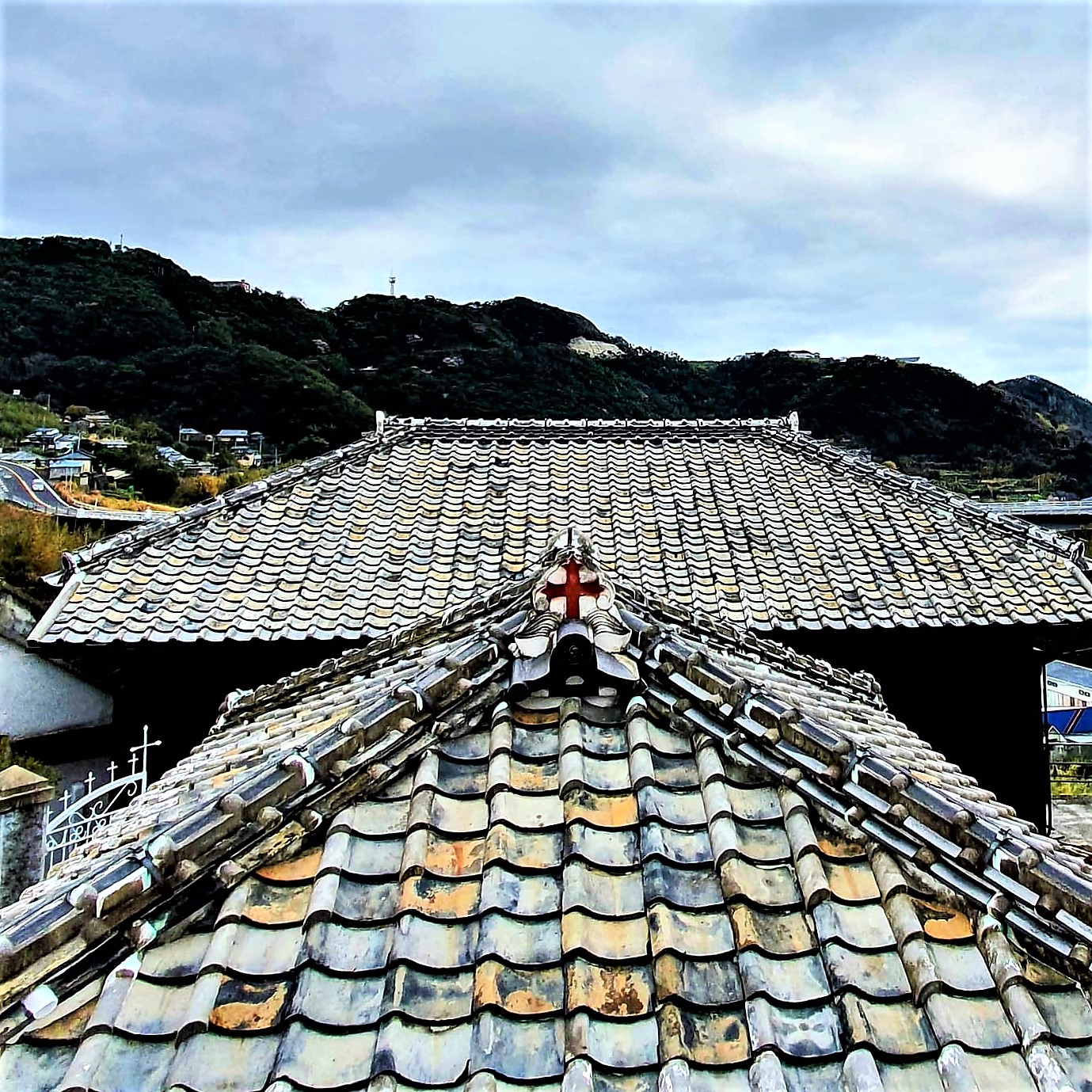
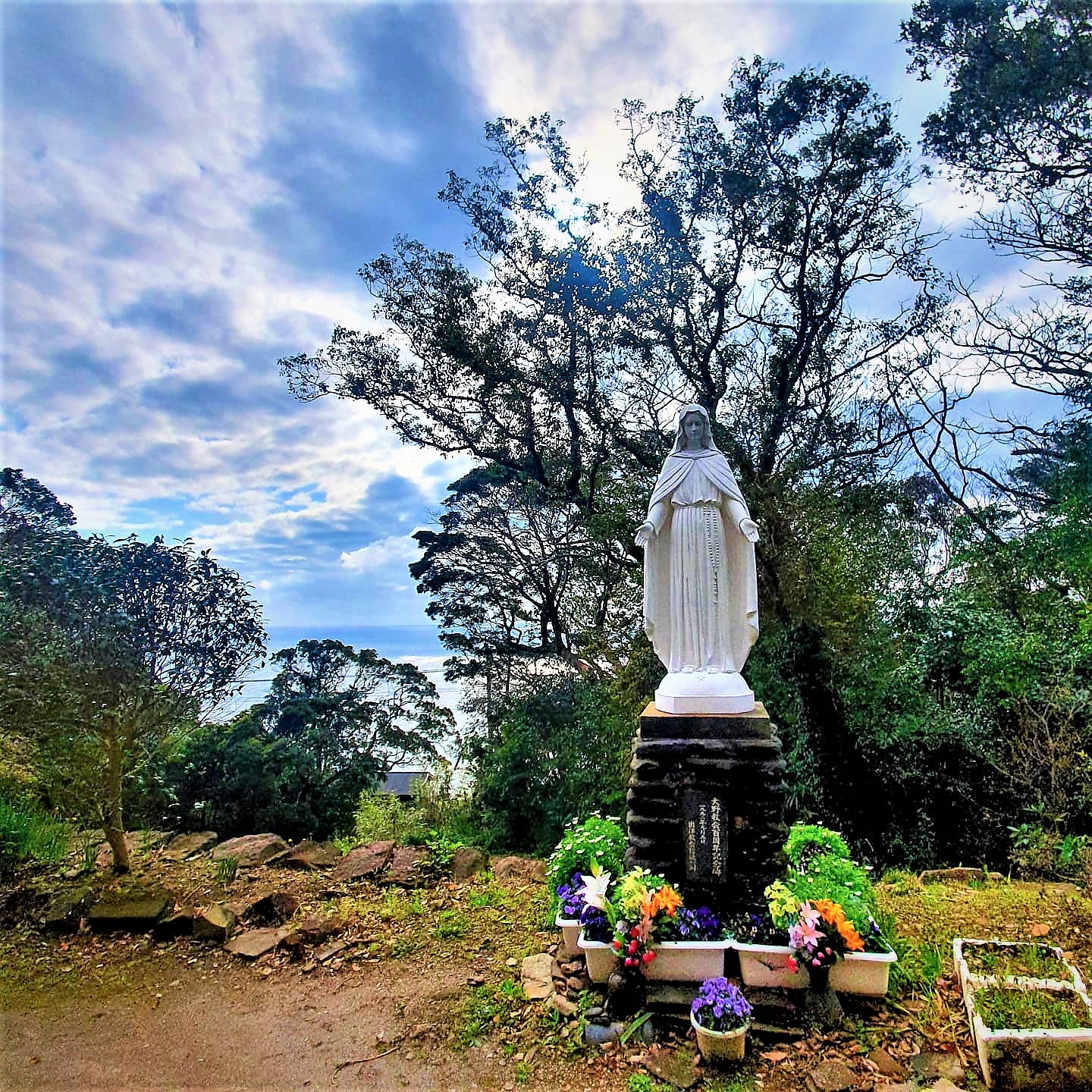
Facing the East China Sea, north of Nagasaki city, Sotome is a rural coastal area. With rugged cliffs, expansive views of the sea, and rolling hills dotted with churches, Sotome feels like a far-removed corner of the world.
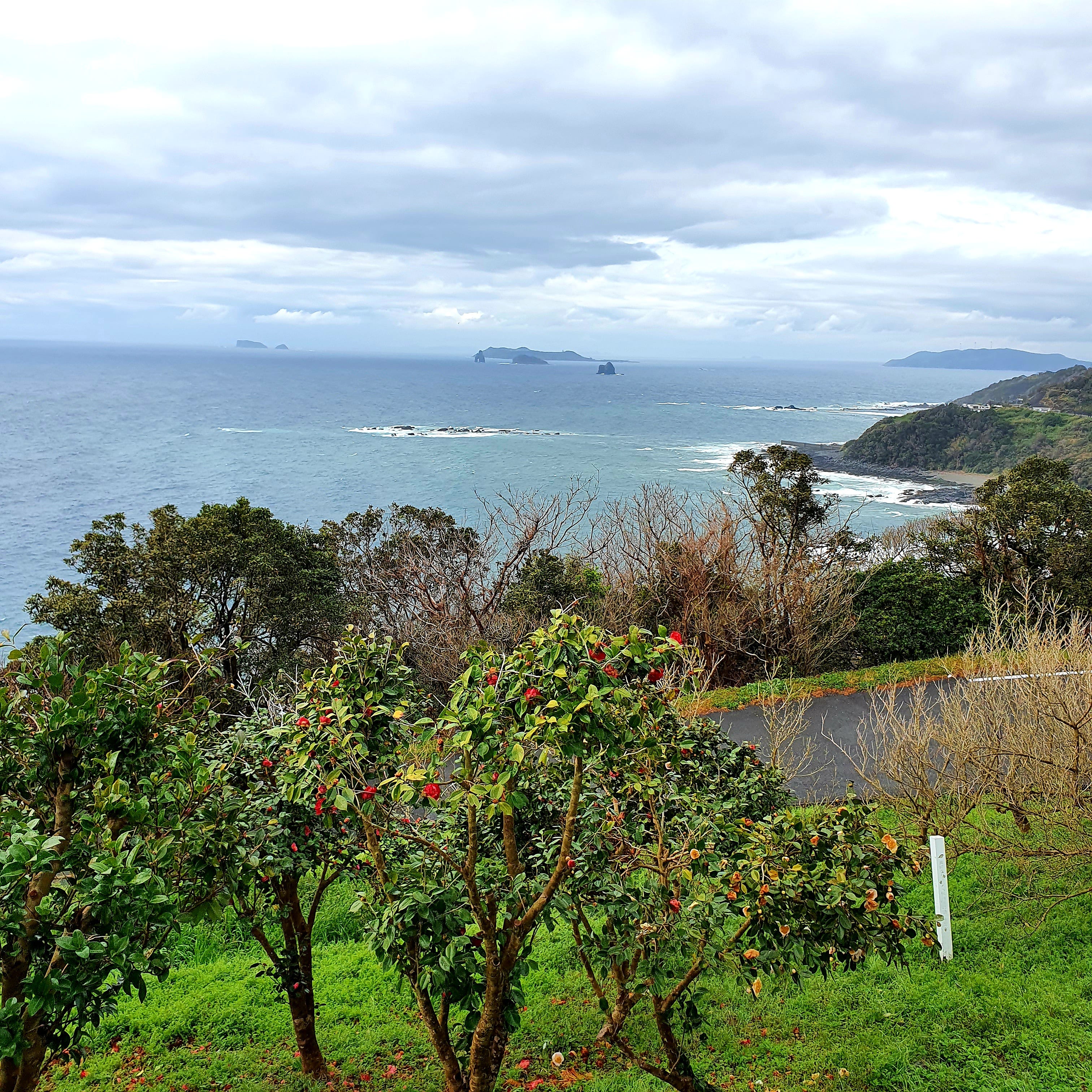
The Endo Shusaku Literary Museum, located in Shitsu village, Sotome, is devoted to the author of Silence—a novel set in Sotome that depicts the experiences of Jesuit missionaries in Japan during the Edo period. This museum is a good starting point for exploring the area’s history. Silence has been adapted to film three times, including Martin Scorsese’s version, which was shot in Taiwan due to budget constraints. On calm days, the museum provides a peaceful refuge from the wind, with sweeping views of the peninsula in every direction.
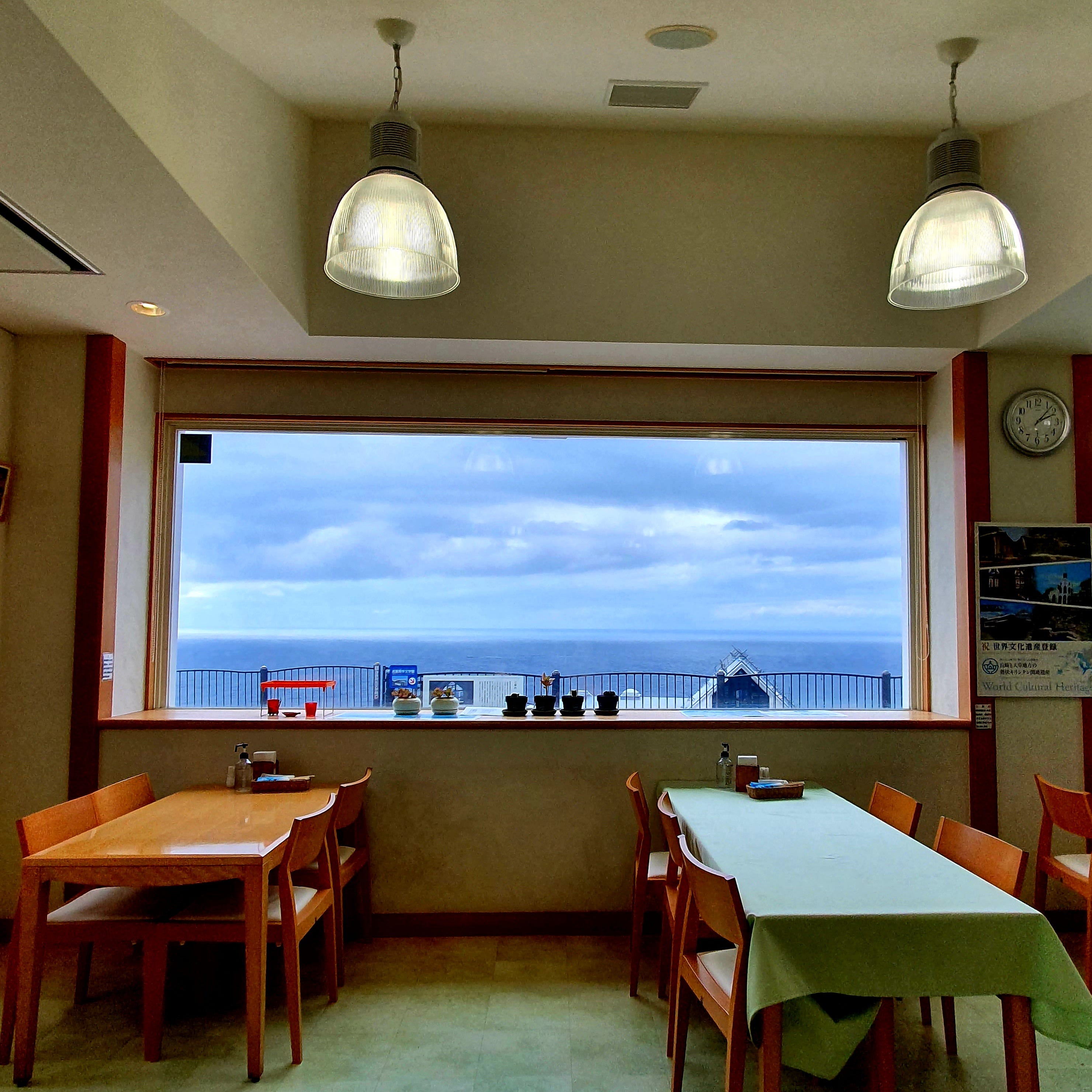
Father de Rotz, a French missionary of aristocratic origin, arrived in Shitsu and discovered the poverty faced by local Christians. Determined to improve their circumstances, he built a church and established a facility where people—especially women—could learn practical skills such as making noodles or pasta, weaving textiles, and acquiring literacy, thereby fostering independence. Today, the Father de Rotz Memorial Hall occupies a building he originally designed as a sardine net factory, offering a glimpse into 19th-century Shitsu. Although the ban on Christianity was lifted in 18734 —after more than two centuries—Hidden Christians in Sotome and the surrounding areas had quietly preserved their faith throughout that entire period.
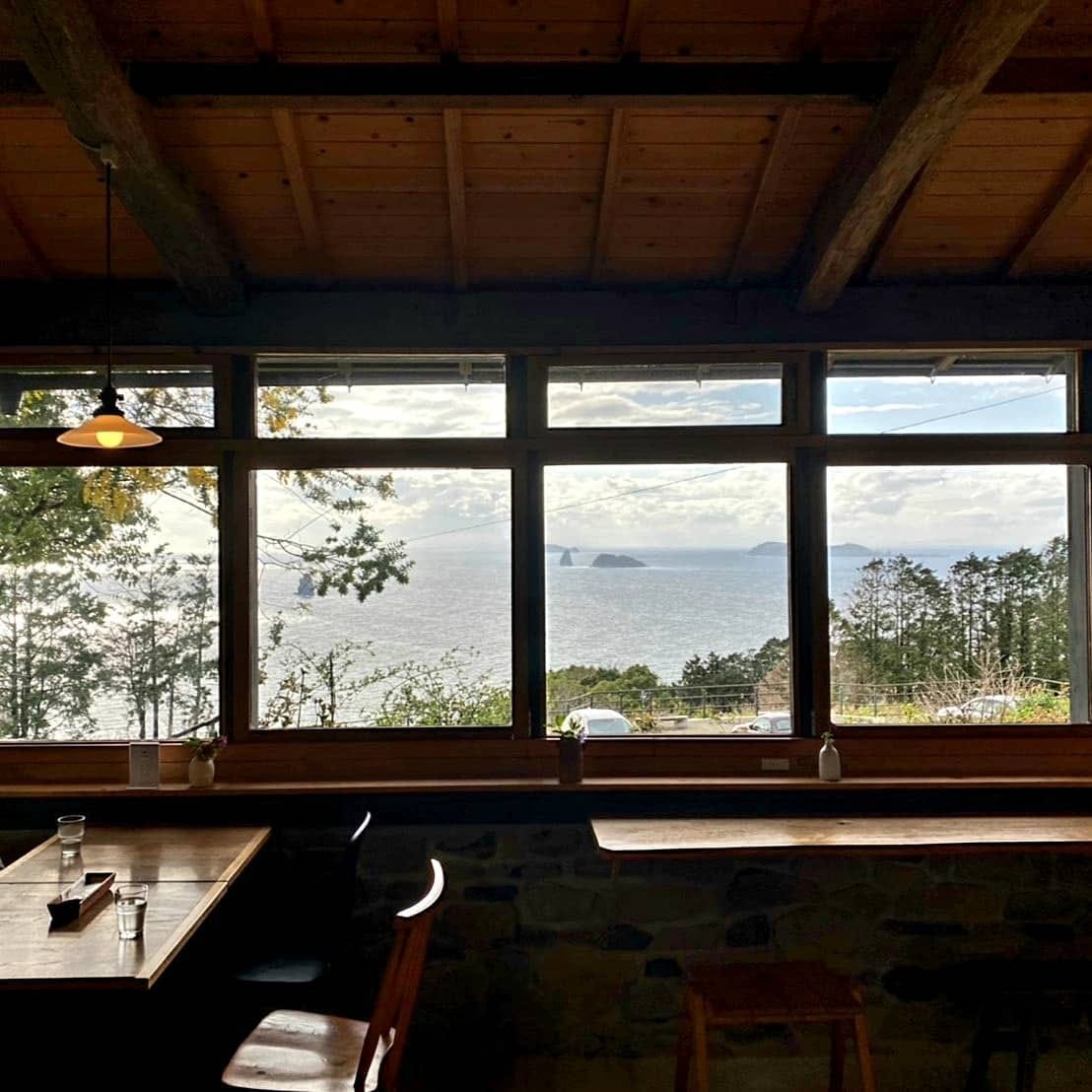
A short drive away is Cafe Ozimoc, a rustic cafe surrounded by a garden, where a cup of coffee awaits alongside a magnificent view of the sea. In this relaxed, calm ambiance, it is possible to contemplate the ease and frivolity of modern tourism, the freedom of secularity, the importance of choice, and how we take it for granted until it is taken away from us.
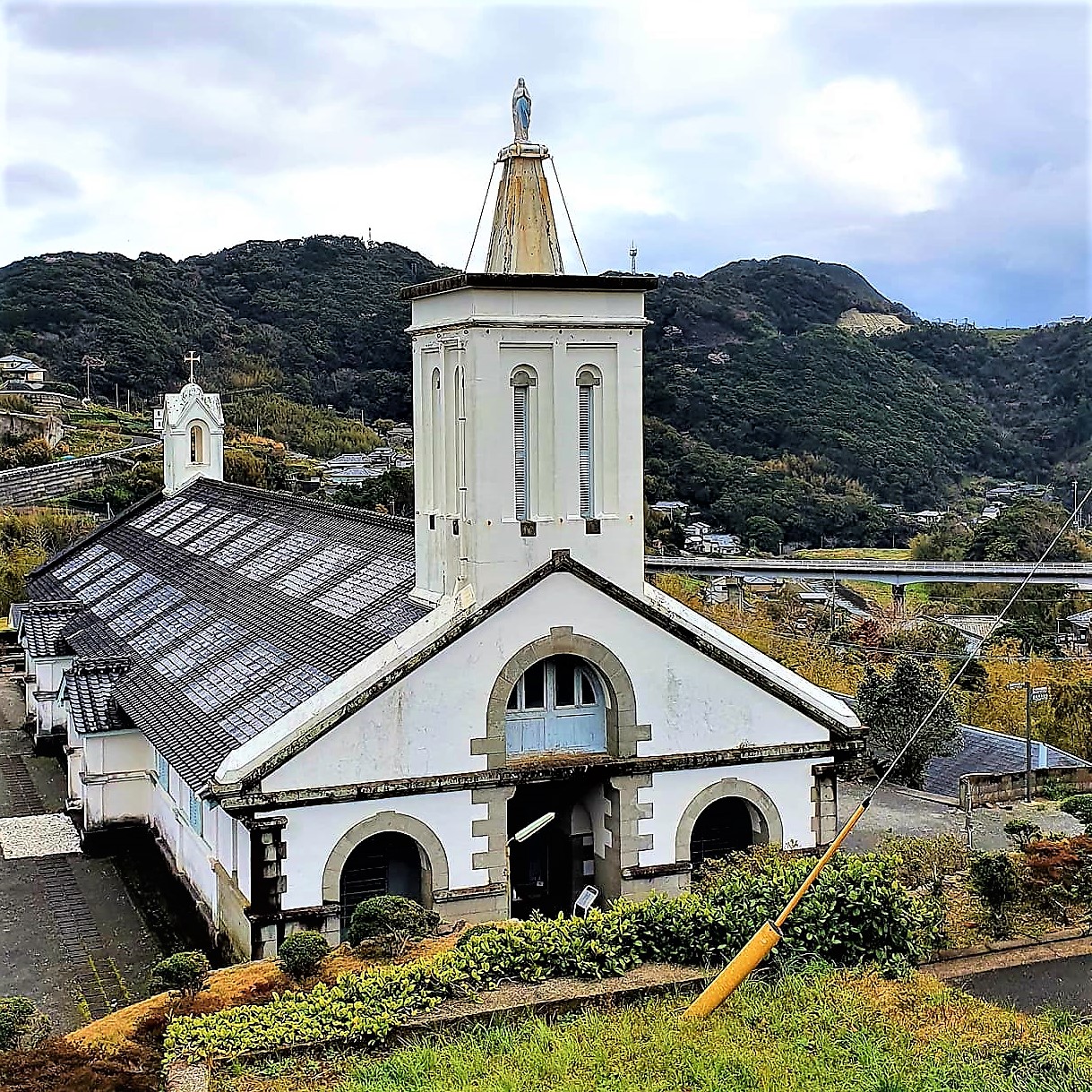
Today, there is something calm and sacred about Sotome. It is a place with a deep character, like a quiet, melancholic poem you wish to wrap up and return to in your memory on a future date. Though your faith may be different, you may or may not believe in a god, and it is difficult to fathom how faith can drive people to all sorts of extremes, the Hidden Christens leave a profound mark. One can only imagine what they may have felt: alone, isolated, with no respite, left to endure harsh conditions, far from the routine and familiarity of a village — let alone from the comforts of a city.
Whatever their traditions, rituals, or core beliefs—and despite their differences—religions share fundamental commonalities. They aspire to help us understand the world by providing a guiding framework for life. For those who struggle to embrace a single belief system, solace may lie in other transcendent forms of expression—music, literature, art, or even nature. Anything, in short, that helps us make sense of life and death and gives us a sense of connection. Green, blue, and otherworldly, Sotome has the power to lift us beyond the the myopia of human society.
Access – Bus or rental car from Nagasaki city, stop Shitsu Bunkamura 出津文化村 More information here
NHK Kokoza 鉄砲の伝来
NHK Kokoza キリスト教禁止と鎖国
島原の乱と原城跡遺構【初期の弾圧】
Otis Cary, A History of Christianity in Japan
 Secrets from Japan and beyond