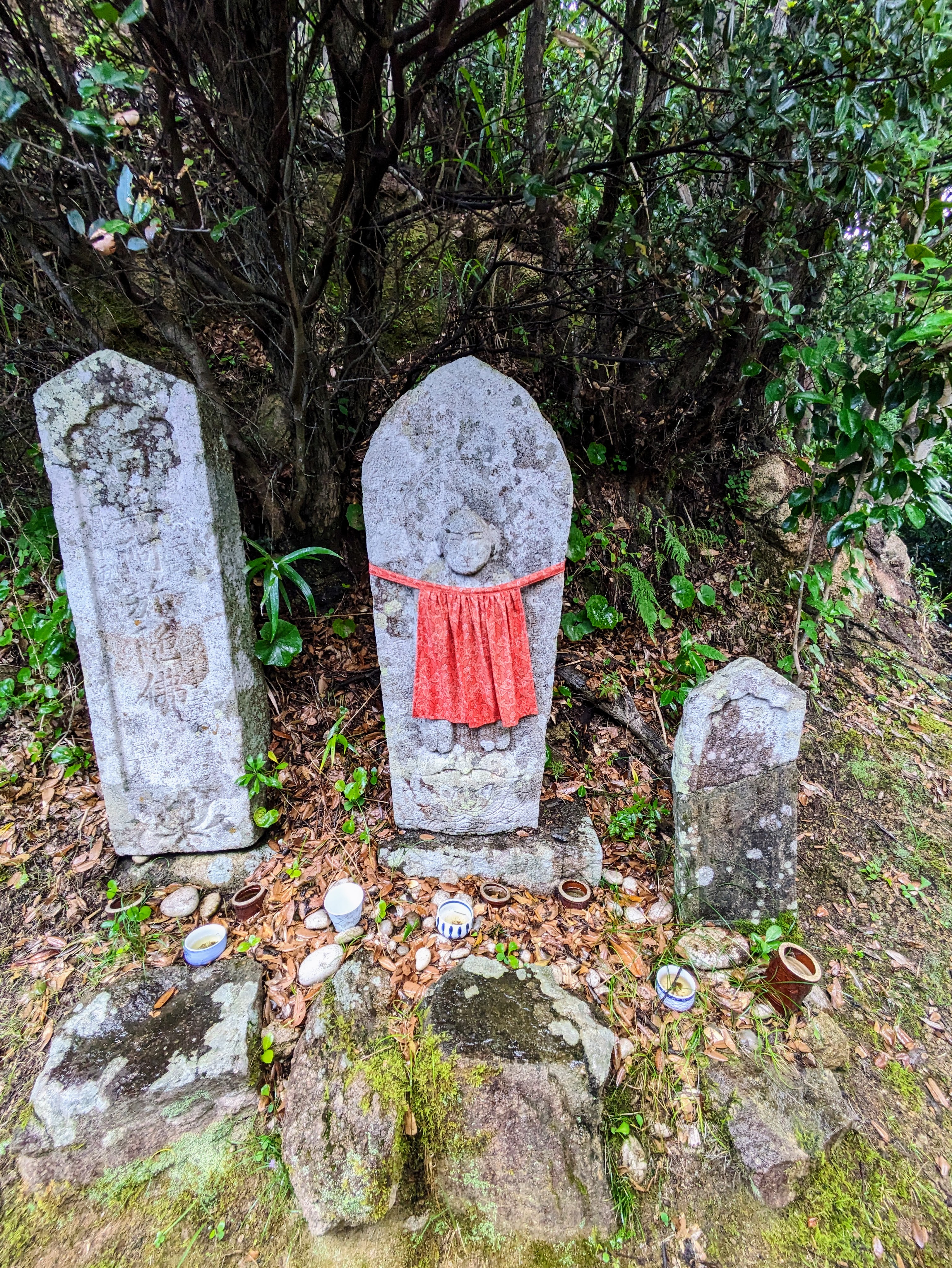
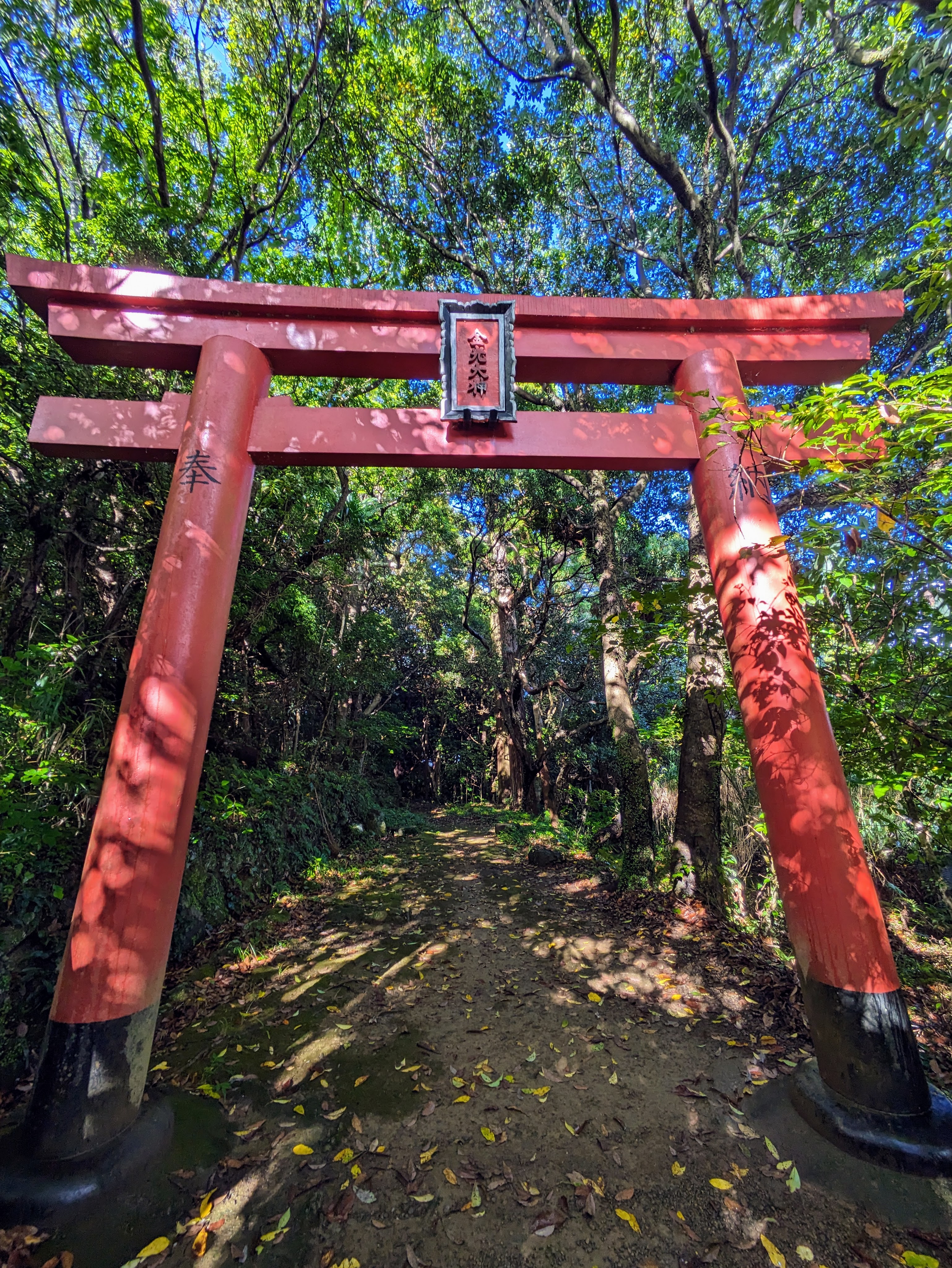
On a humid summer day, the courting calls of cicadas start to overpower the sound of cars. Just a few meters off the main road, stone statues with red caps guard a moss-covered stone path trail leading to a thick forest. These Jizo statues are guardians to koyazaka, a small fragment of the Kumano Kodo trail.
Kumano Kodo is a collection of mountainous pilgrimage trails connecting several sacred sites in the Kii peninsula of central Japan, extending across four prefectures – Osaka, Nara, Wakayama, and Mie. Pilgrims of the Kumano Kodo ranged from emperors to common folk, and over time, women were permitted too. Risking their lives and facing many obstacles, these pilgrims walked along the tough terrain seeking salvation and rebirth.
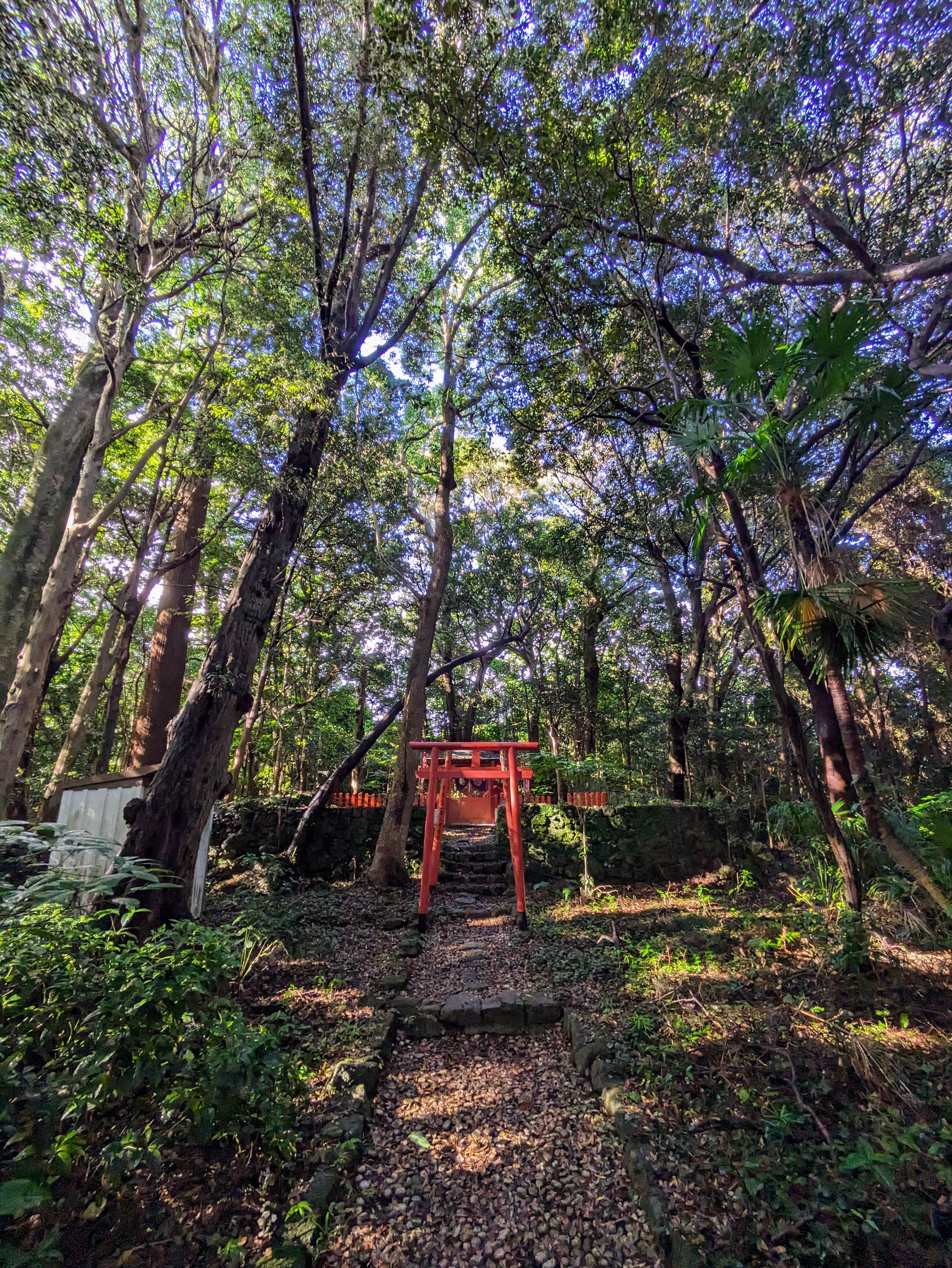
The shrines on the path combine symbols and concepts of asceticism, mountain worship, Buddhism and Shinto, revealing a time in history when these religions intermingled with each other. Buddhism made its way to Japan in the 6th century from India, China and Korea, assimilating local elements on the way. Through the efforts of the aristocracy and religious leaders, the religion became rooted in Japan’s society. In 1868, during the Meiji restoration when Japan was trying to redefine its identity, the Meiji government decided to separate the two religions, leading to a large anti Buddhist movement. Temples were burnt down or vandalized. But this process was never fully completed. Today it is common to find motifs from both the religions together – torii gates in Buddhist temples and Buddhist deities in Shinto shrines
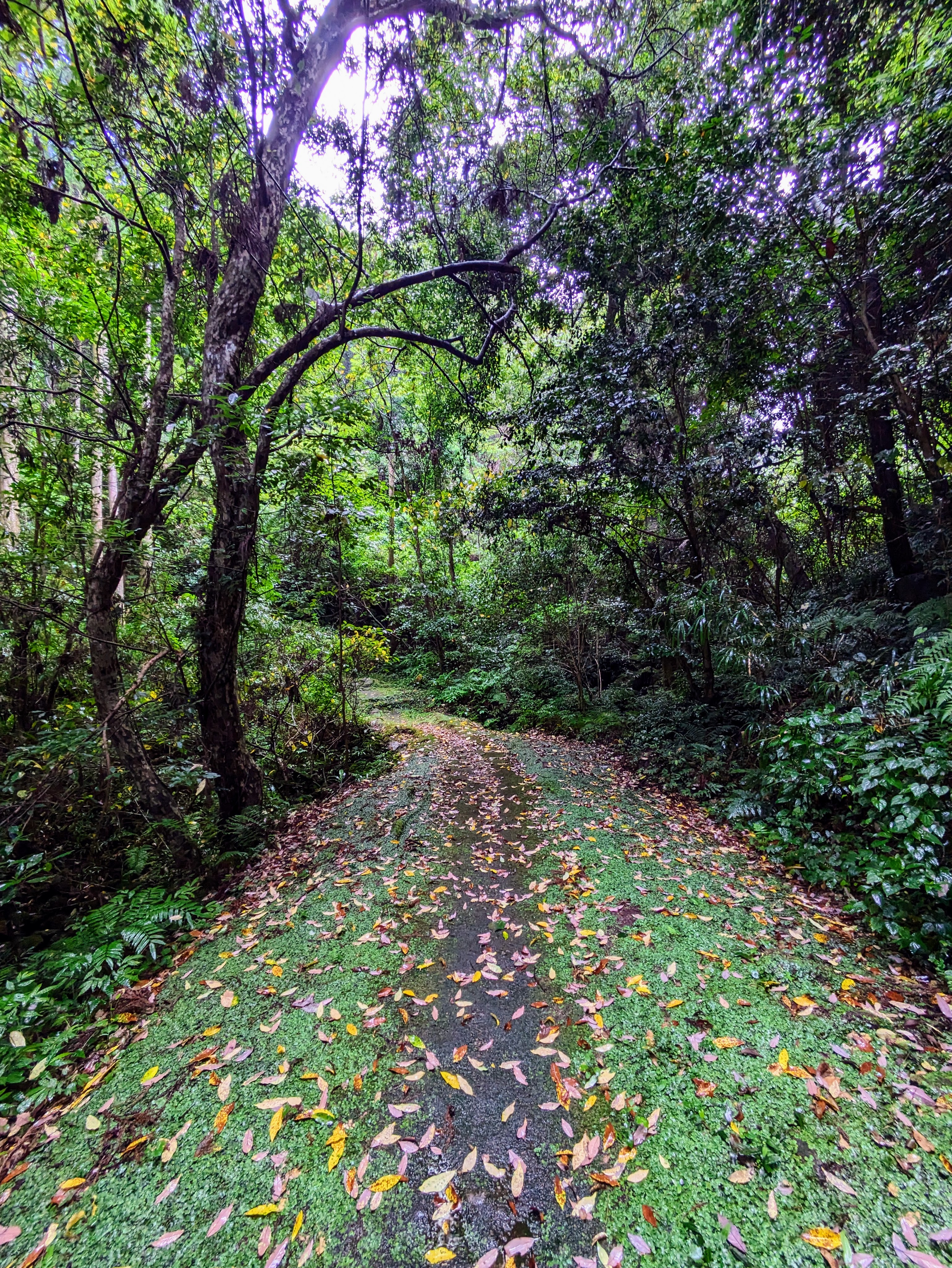
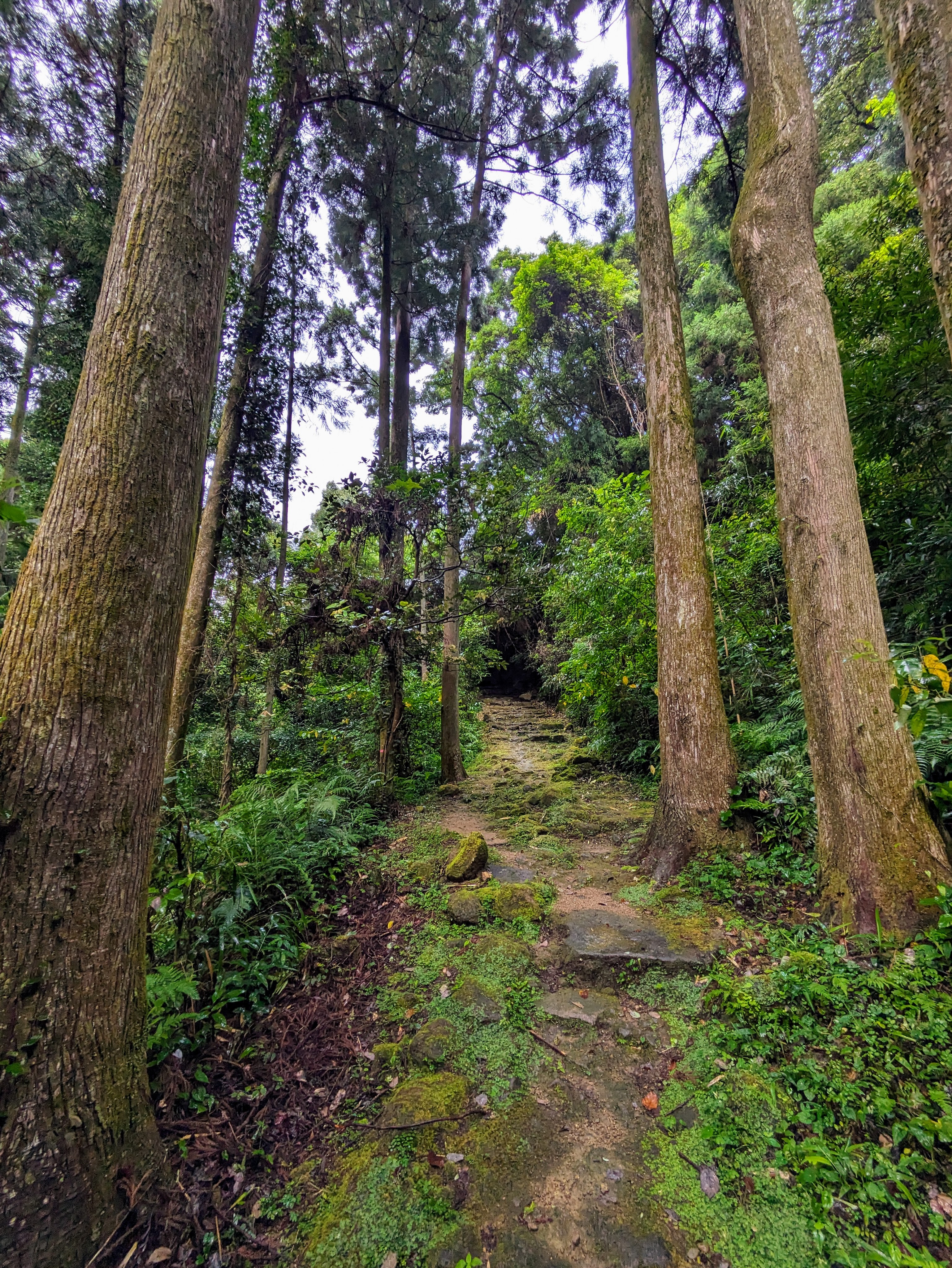
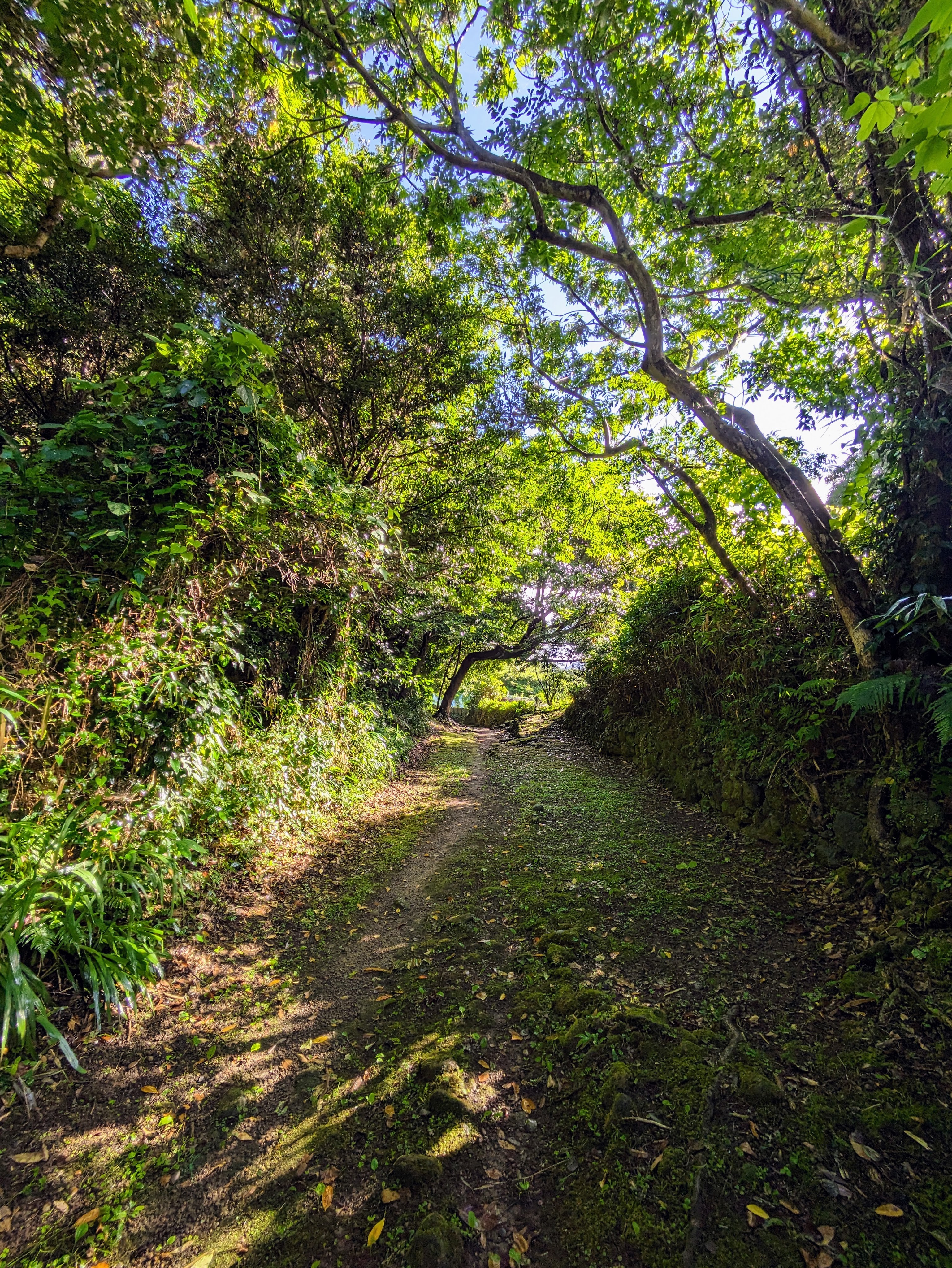
It begins to rain in koyazaka. The rain is heavy and casts a blanket around the forest. It provides respite from the heat, the mosquitoes, and other bugs. The canopy of the forest allows only a small portion of the rain to fall on the pilgrim, on the path. The path is laden with large stones. It rains a lot here and the stones have managed to protect the path from washing way. There is moss growing through every crack. After a while, the rain stops and there is a dazzling light that hurts one’s eyes, before it seeps right in, to one’s being till the light becomes the guide to all those things around which up until then were hidden from sight. A large black swallowtail flies past slowly. Now the rain is gone, the sounds are back – cicadas, insects, and a new rumble.
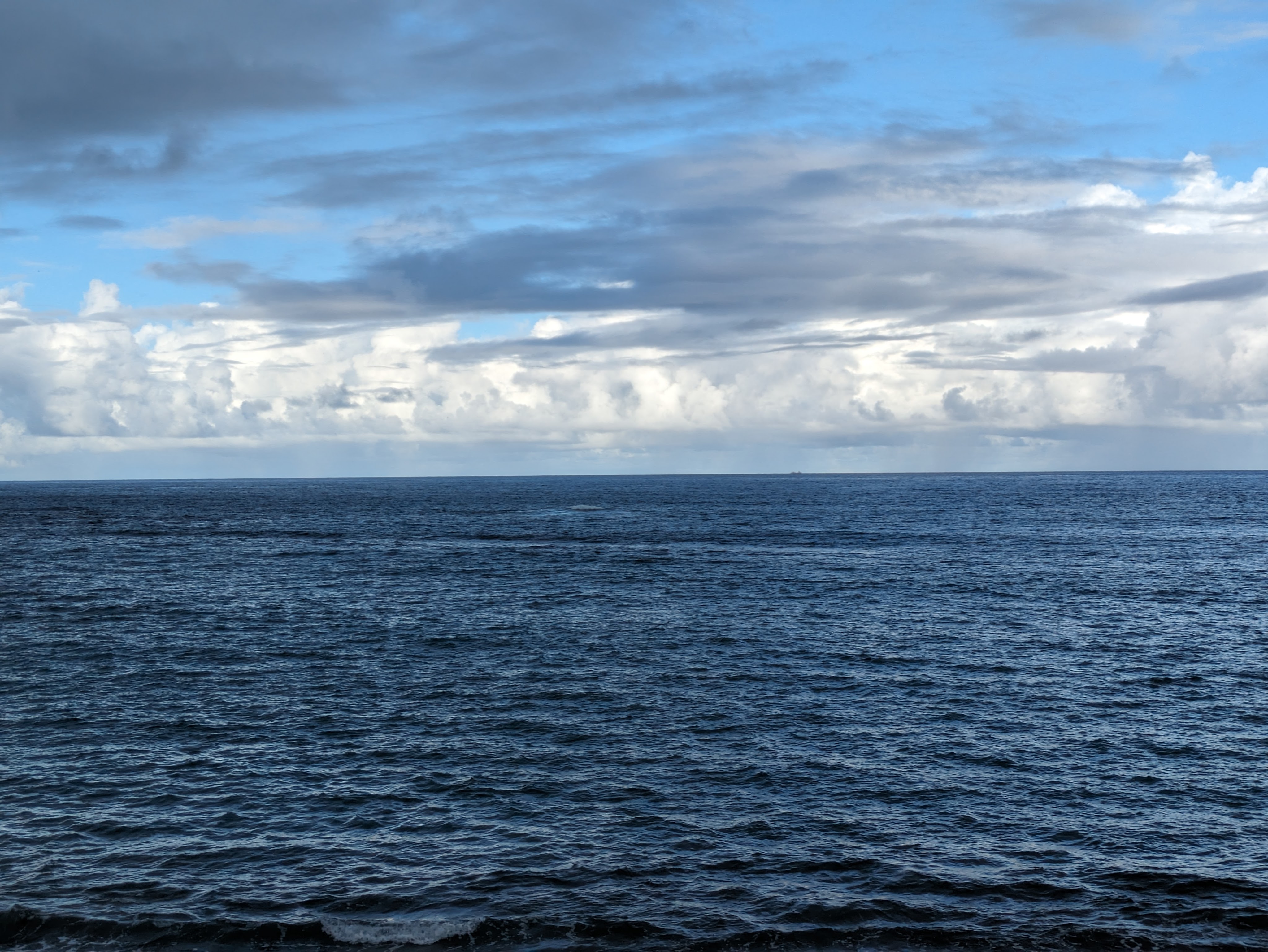
Through a gap in the foliage, the Pacific Ocean reveals itself. Whales frequent these parts. A detour from the main trail leads to a lookout. In the past, villagers sent out smoke signals upon sighting a whale. The fishermen lying in wait by the shore would then set out on their boats to hunt the whale with spears. If the hunt were successful, there would be a celebration in the village. The whale would be cut for consumption, every part used for some purpose. At the time, the sea would have been red. Now the sea is blue-grey, bloodless after the rain.
Red takes another form on the path near a stream – little streaks that flash. The little red flashes are moving, scuttling sideways in dozens. Closer inspection shows they are flower crabs; orange more than red. Close behind are large brown blobs -mudflat crabs that look ominous in their outlook, causing strange doubts to surface in one’s mind. How much do external circumstances influence our actions? How long does it take for incremental actions to have an impact on one’s path? Is the quest for knowledge an empty pursuit in itself if it were for no significant purpose? Why do one’s actions seem increasingly repetitive? Rebirth or even evolution, appears to be an arbitrary process, moving up slowly in a circular stairway.
The path is coming to an end. The koyazaka is a very small fragment of the Kumano Kodo indeed – it takes just over an hour to walk along it – not enough time for a true upheaval of the self. One feels insignificant and humble thinking of those pilgrims in the years gone. Another flower crab scuttles past, the train tracks lie ahead. At this moment, there is nothing but the vibrant greenery, ancient trees, the vast ocean around, and the richness pulsating through the environment. Perhaps it is sufficient to initiate the process of questioning, in the hope that it leads to growth, but also to give pause to those questions, and stop to wonder, at one’s own encounter with this old path – a superficial, immediate, and very minor revelation, but it is one’s own and there is hope that it is one of many more that will come, and for that it may be considered worthy.



Access – Bus or rental car from Shingu Station, Wakayama and hop off at the Hirotsuno (Koyazaka) stop. More information here
 Secrets from Japan and beyond