“Nihon Shoki” and “Kojiki”, the oldest books in Japan, recount the tale of a god who was revered in ancient times as the greatest among all gods. This god of nation-building, Omononushi, could have had his devotees on Earth do anything he wished — build him a grand shrine, make him a large offering of food and sake, or organize a festival for the community. Instead, he asked them to find him a small mountain.
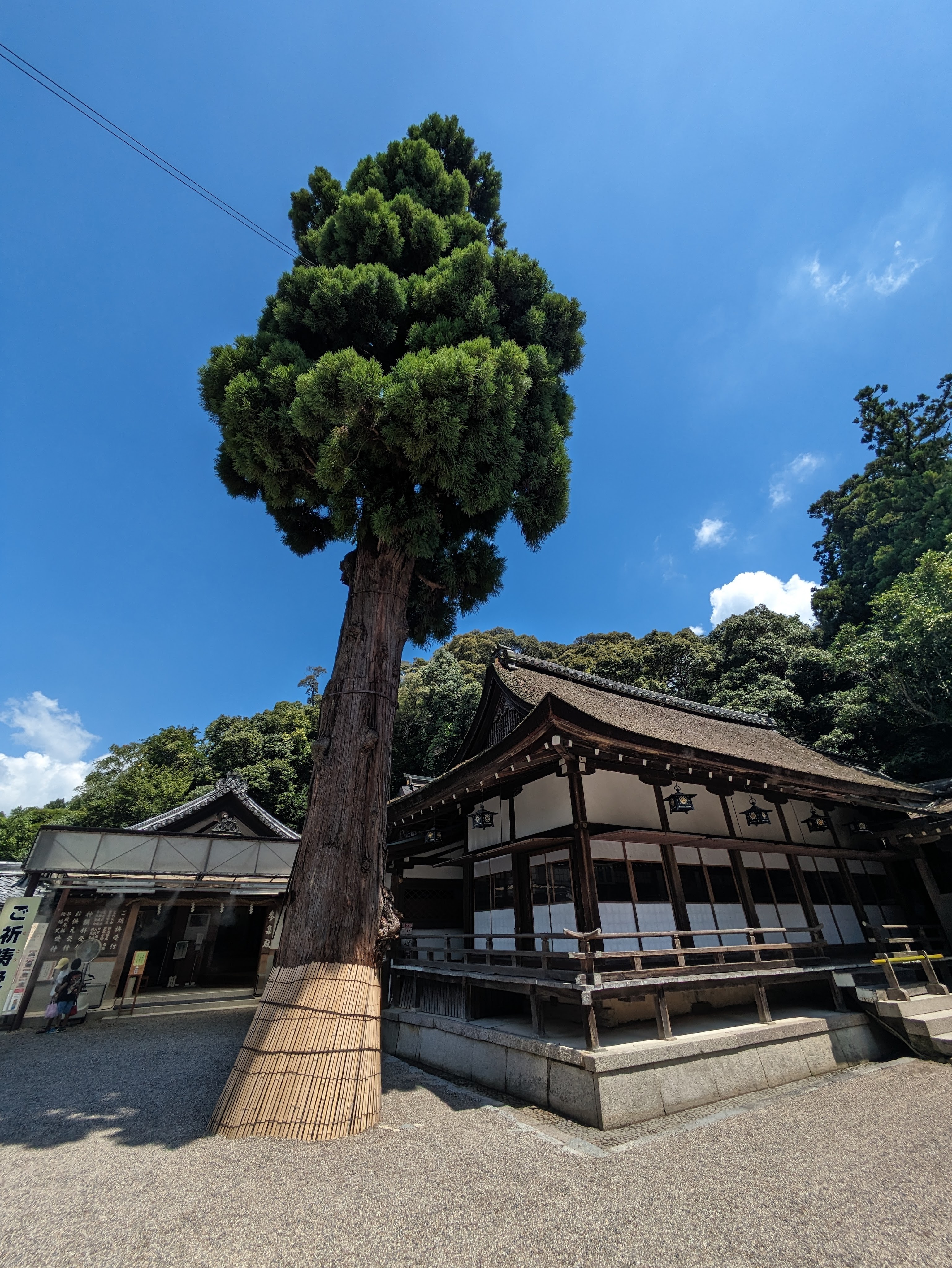
Miwa Shrine lies at the foot of Mt. Miwa in Sakurai city, 25 km from Nara city in south-central Japan. At first glance, it may appear to be like any other shrine, with its sub-shrines and ancient trees dotting the premises. However, there is something unusual about this one. While most shrines have a main shrine where a god is housed, Miwa Shrine doesn’t. Instead, the object of worship is the mountain itself, the very place where the god Omononushi asked to be enshrined. Omononushi is associated with being the guardian deity for a large range of things such as good fortune, medicine, longevity, and sake brewing.
Shinto, an indigenous religion in Japan, has its origins in animism. With over 8 million gods found in nature, food, and even natural disasters, there are over 100,000 shrines around the country. Sake holds deep symbolism in Shinto beliefs and rituals. Most shrines have special rice fields where priests harvest rice every year. They let this rice ferment and brew sake, which they offer to the gods. In wedding ceremonies, the groom and bridegroom drink sake from the same cup, expressing their gratitude to their families and the gods. Every autumn, sake brewers from around the country visit Miwa Shrine to pray for success in creating high-quality sake.
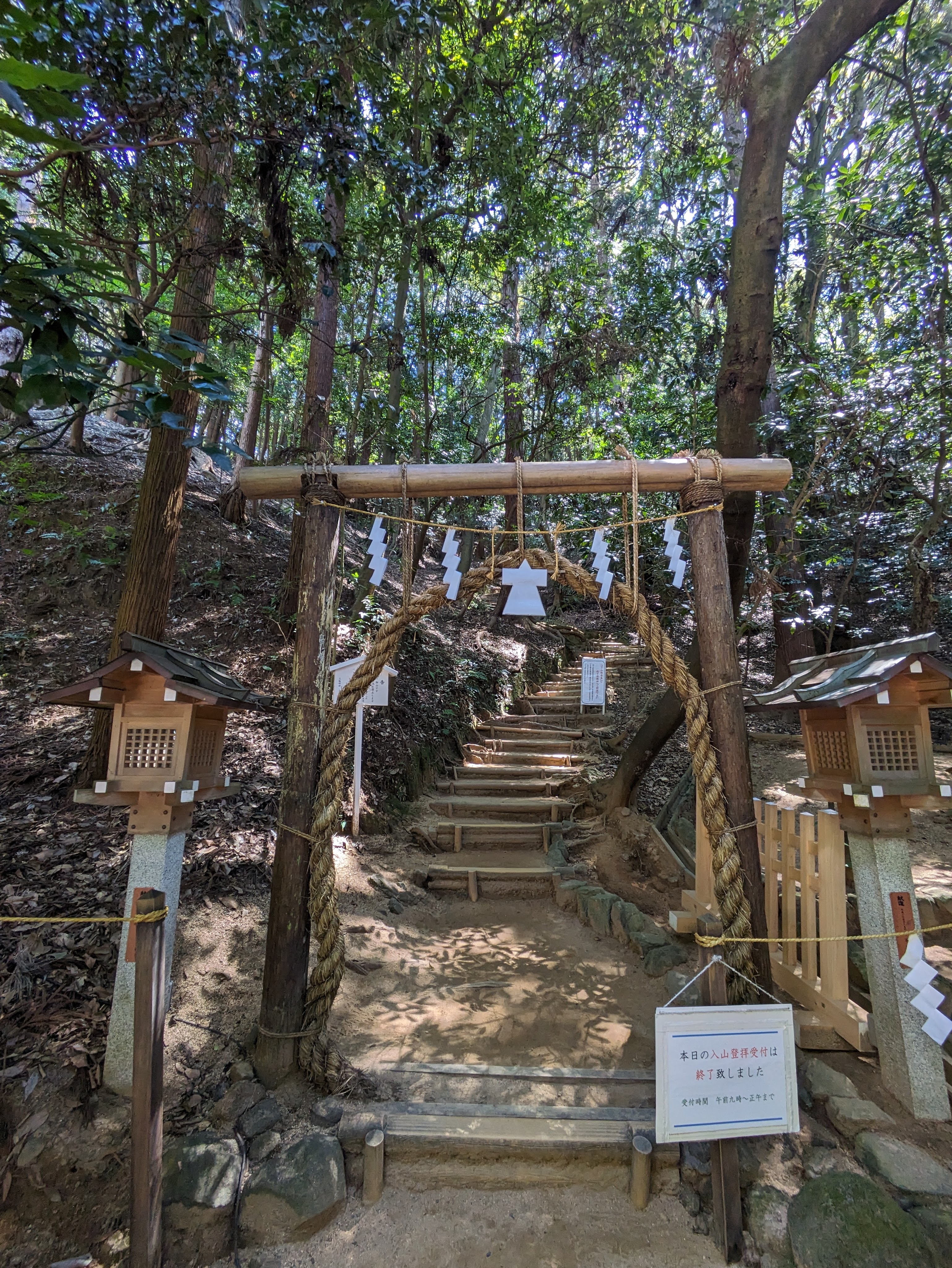
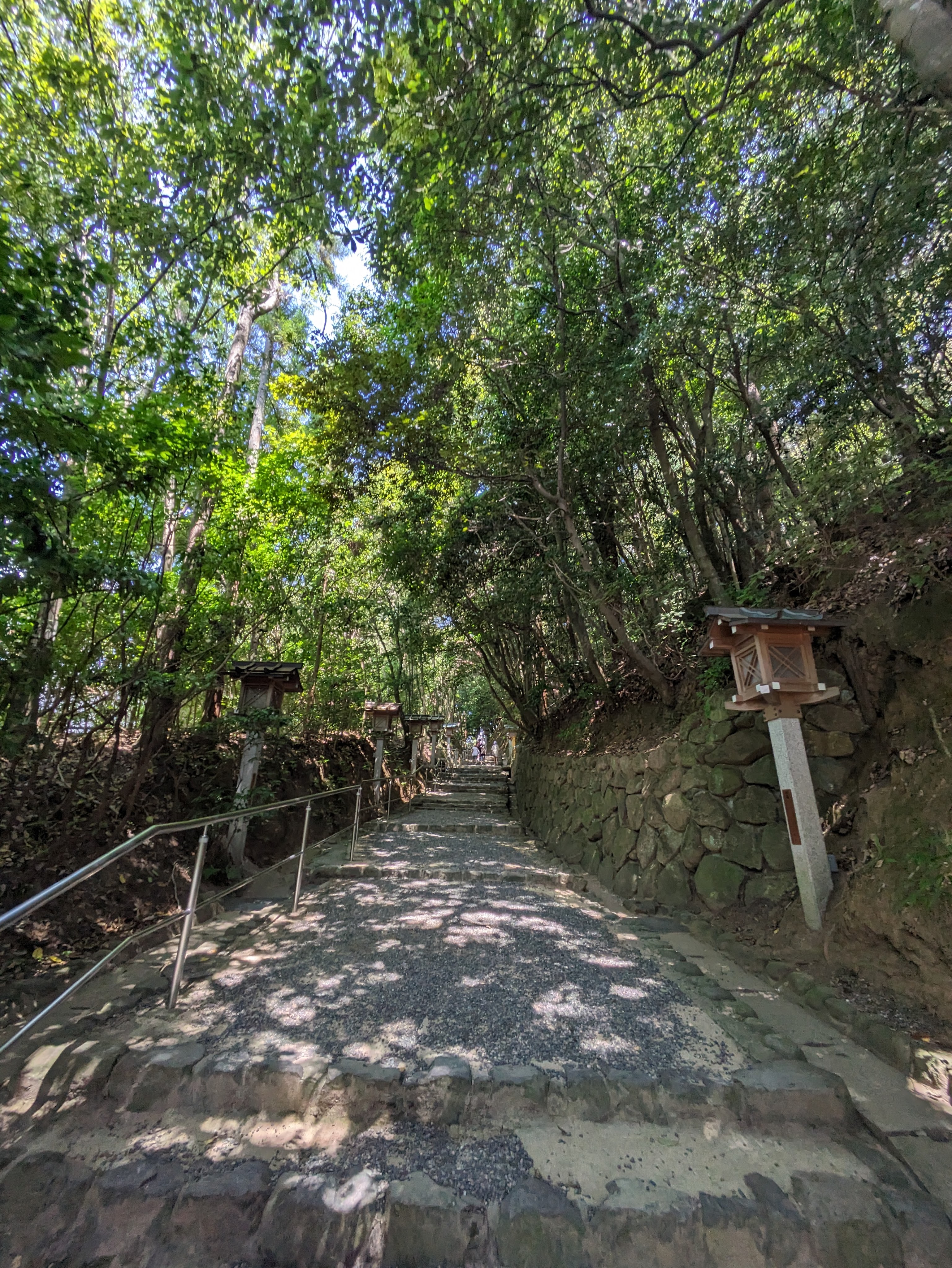
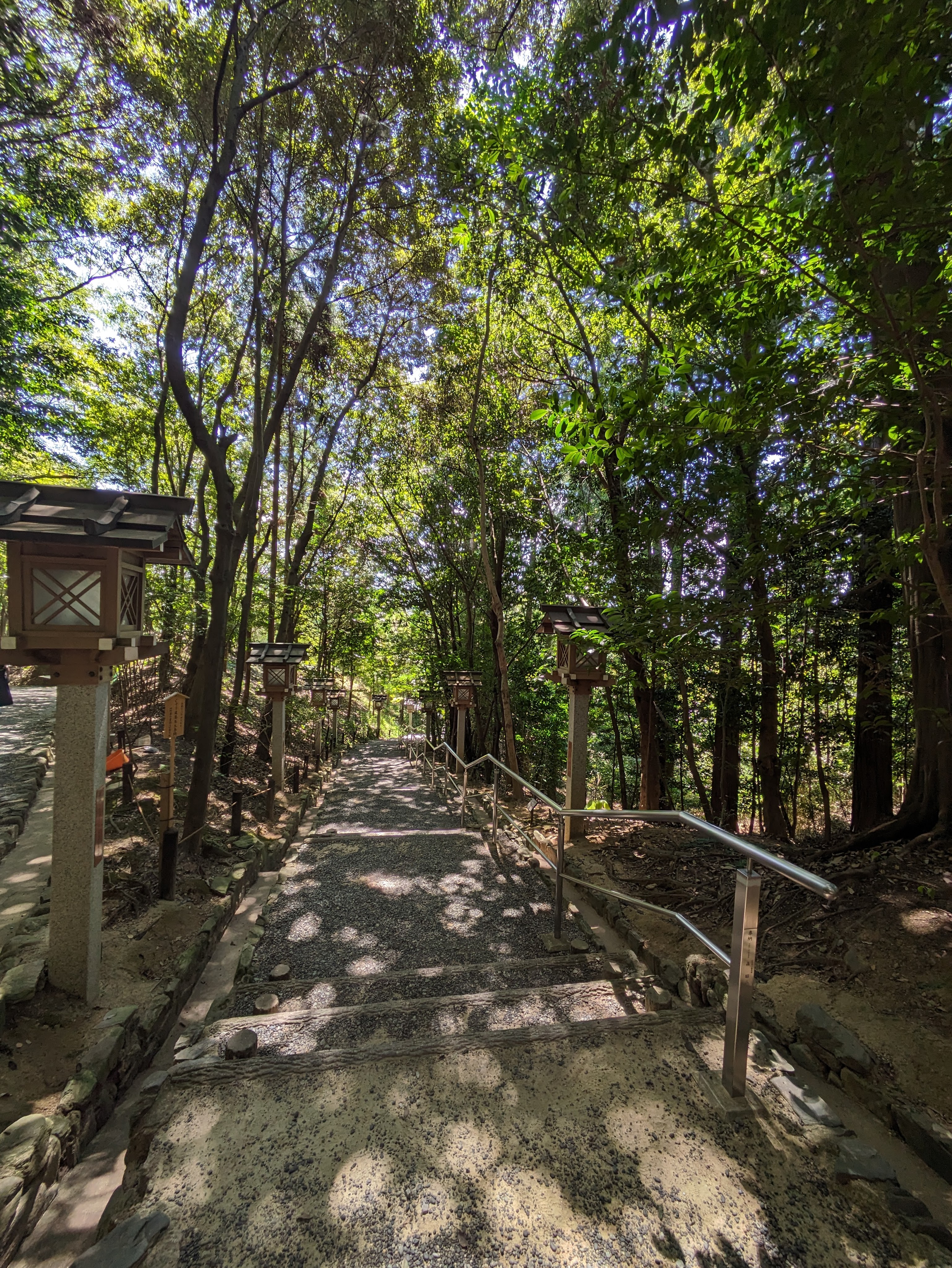
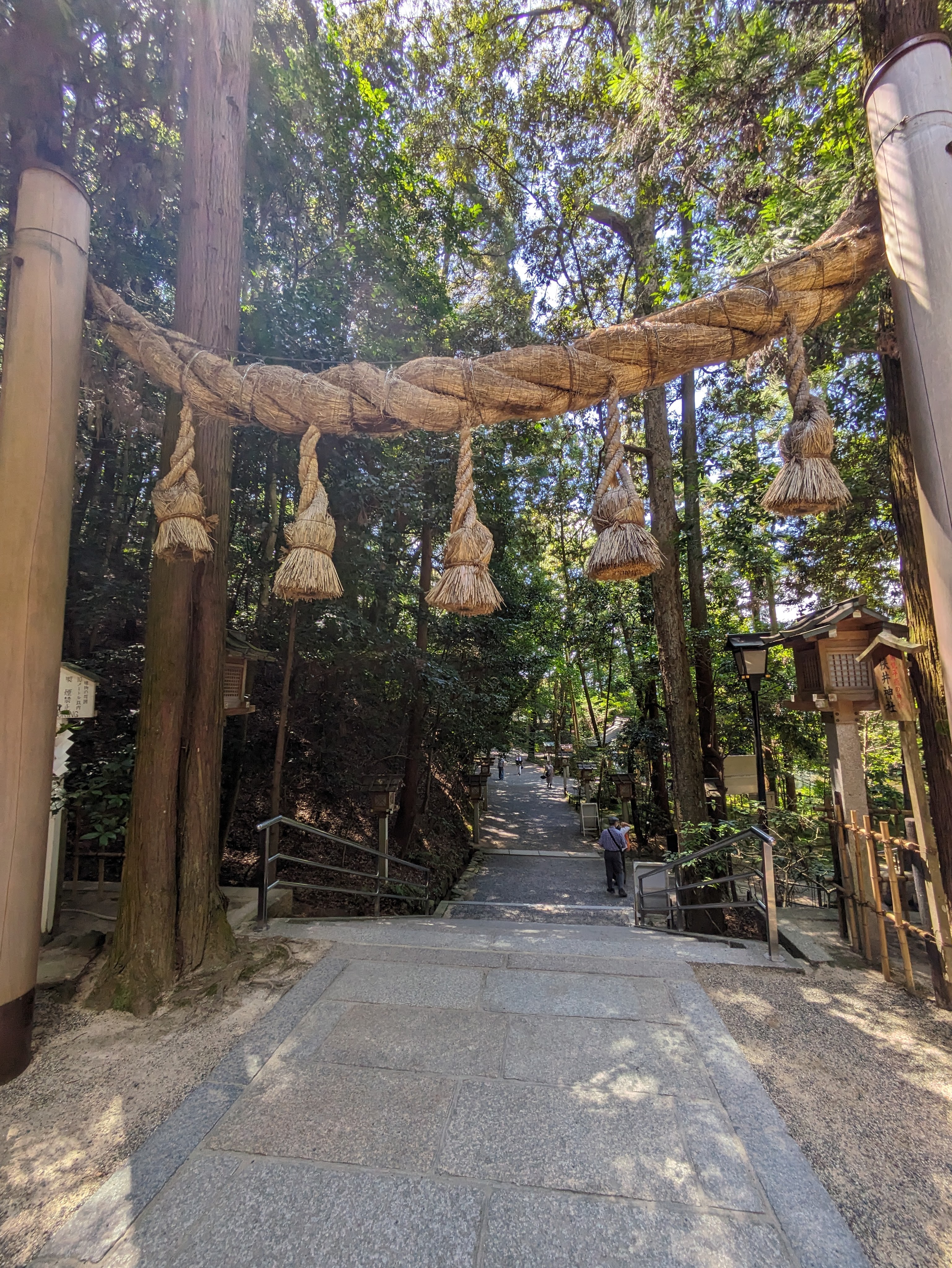
Access to Mt. Miwa is restricted. Before setting foot on the sacred mountain, one must perform a self exorcism of impurities, and wear a white band provided by the shrine to denote one’s purity. Photography and eating are prohibited. A path lined with cedar, cypress, and pine trees climbs gently ascends towards the summit. Pilgrims walk ahead, bowing gently as they pass each other. In the stillness, the modern world and its noise seem distant, one becomes more attuned to the inner workings of their mind and soul.
In 1966, the writer Mishima Yukio was writing his tetralogy, “The Sea of Fertility”. In the second book of the series, “Runaway Horses”, the protagonist is invited as a guest to a kendo tournament held on the grounds of Miwa Shrine. Mishima himself visited the shrine along with Donald Keene, the famed scholar and translator of Japanese literature. At the time, visitors to the mountain were even more strictly curtailed, making the pilgrimage even more special.
The 1960s marked a period of rapid economic growth and shifting values in Japan. The decade began with the Anpo protests against the security treaty between the United States and Japan which allowed the presence of U.S. military troops on Japanese soil and committed the two countries to mutual defense if one or the other were to be attacked in Japanese territory. The treaty had first been signed in 1952 as a condition to end the U.S. occupation of Japan after WW2, then revised in 1960. Despite the protests, the revised treaty came into effect.
Consumer culture was flourishing. Workers built the bullet train in a rush to finish it in time for the 1964 Olympics hosted by Tokyo. Japan’s GNP surpassed that of the U.K. The world showered applause on Japan for making a post-war recovery. In 1966, the Beatles played to a packed hall in the Budokan, a hall originally built for martial arts events. Using the hall for rock concerts polarized the public, with the Beatles receiving death threats.
In the late 60s, student protests forced several universities to close down across the country. In May 1969, Mishima, known for his ultranationalist right-wing views, engaged in a legendary four-hour debate with members of a radical leftist movement, at the University of Tokyo. A documentary was released in 2020. Despite their differing views, both Mishima and the students conversed with respect. Mishima expressed his belief in the students’ passion, stating, “I believe in your passion, even if I don’t believe in anything else, I believe in that.”
Mishima is said to have been deeply inspired and moved by his time at Miwa Shrine. When he returned from the pilgrimage, he encapsulated his experience with one word: “Seimei”, the Japanese term for pure and clear. Later, he transmitted a longer message to the shrine’s priests, expressing how profoundly moved he was by his time at the shrine.
“The precincts of Miwa Shrine are pure and clear, and the days and nights spent in the bosom of God are memories that I will never forget. I was also allowed to climb the mountain, where I could see the ancient rock formation at the top, and with the blue sky above, I felt as though I were touching the hem of God’s throne. As my daily life in Tokyo is so far away from God, I thought it was impossible to approach the most ancient Japanese God without a kind of fear. But although with fear, to be given a refreshing purification, was an immeasurable blessing from God.”
Mishima, who came of age during the war, became a significant voice in post-war Japanese literature. He was considered for the Nobel Prize 5 times. Despite his successes, he was often in conflict about the change in postwar Japan’s spiritual identity and his part in contributing to it. In July 1970, 25 years after WW2, he expressed some of this discontent in a now-famous essay stating, “If this goes on, Japan will disappear, leaving in its place, an inorganic, empty, neutral, neutral colored, wealthy, astute, economic powerhouse in the corner of the far east.”
“The Sea of Fertility” was Mishima’s last work. On November 25th 1970, he handed in the final part of his manuscript to his editor. Later that day, he tried to organize a military coup. When his efforts to incite the coup failed, Mishima committed ritual suicide by seppuku, also known as harakiri, at the age of 45.
In a physical sense, our bodies undergo a constant process of rebirth — a staggering 330 billion cells are replaced every day. In a spiritual sense, rebirth is more complex and elusive. People talk of being reborn when they or someone close to them goes through a life-altering event — accident, illness, loss. Some try rebirth on the strength of their efforts trying to produce change with a cumulation of several intangible things such as steadfastness, awareness, and determination. Sometimes people might simply be resetting themselves rather than experiencing a true rebirth, relying on what is readily available at hand, pushing for change, but ultimately falling back into similar patterns and going through the whole cycle again. Perhaps this incomplete and ultimately unsatisfactory personal transformation may explain the frequent use of the word reinventing as opposed to rebirth in self-help literature.
There is either that or nothing at all, or even worse, there is a type of cynicism that is debilitating. This cynicism is different from the cynicism that allows one to be practical, seeing the worst to make things better. This is the sort of cynicism that causes the closing off of ideas before they have a chance to mature, the anxiety of failing before starting, the criticism of others who are doing what you can’t or won’t do, and above all, there is a fear of impending disappointment because you believe that any attempt to change will not satisfy the gaps in your life or make any difference. In his play, “Lady Windermere’s Fan”, Oscar Wilde wrote, “A cynic is a man who knows the price of everything, and the value of nothing.” Compared to this, the self-help books that call for deliberate practice and growth mindsets seem affirmative and nurturing. Perhaps these behaviors can lead to an overhaul in the self, challenging oneself to reach one’s highest possible potential — it’s not a rebirth but it is a step forward.
As we grow older there is some value to be gained in the retelling and reliving of experiences. This isn’t an escape to nostalgia or reliving past struggles but actively seeking insights to inform our present and future. Rebirth or personal transformation requires an exceptional amount of energy and perseverance. It is a fight to break free from one’s shackles and constraints. It is not about bemoaning external circumstances but rather about acknowledging and accepting one’s fate, and taking responsibility for the choices and actions that have led us to where we are today, and what we are going to do from now.
Climbing Mt Miwa is not challenging in itself. It is a minor pilgrimage compared to the arduous challenges and expeditions undertaken by people elsewhere around the world. But for those seeking change and clarity, it offers a meaningful start.
Access: JR Sakurai Line, 5 minutes walk from Miwa station. More information here
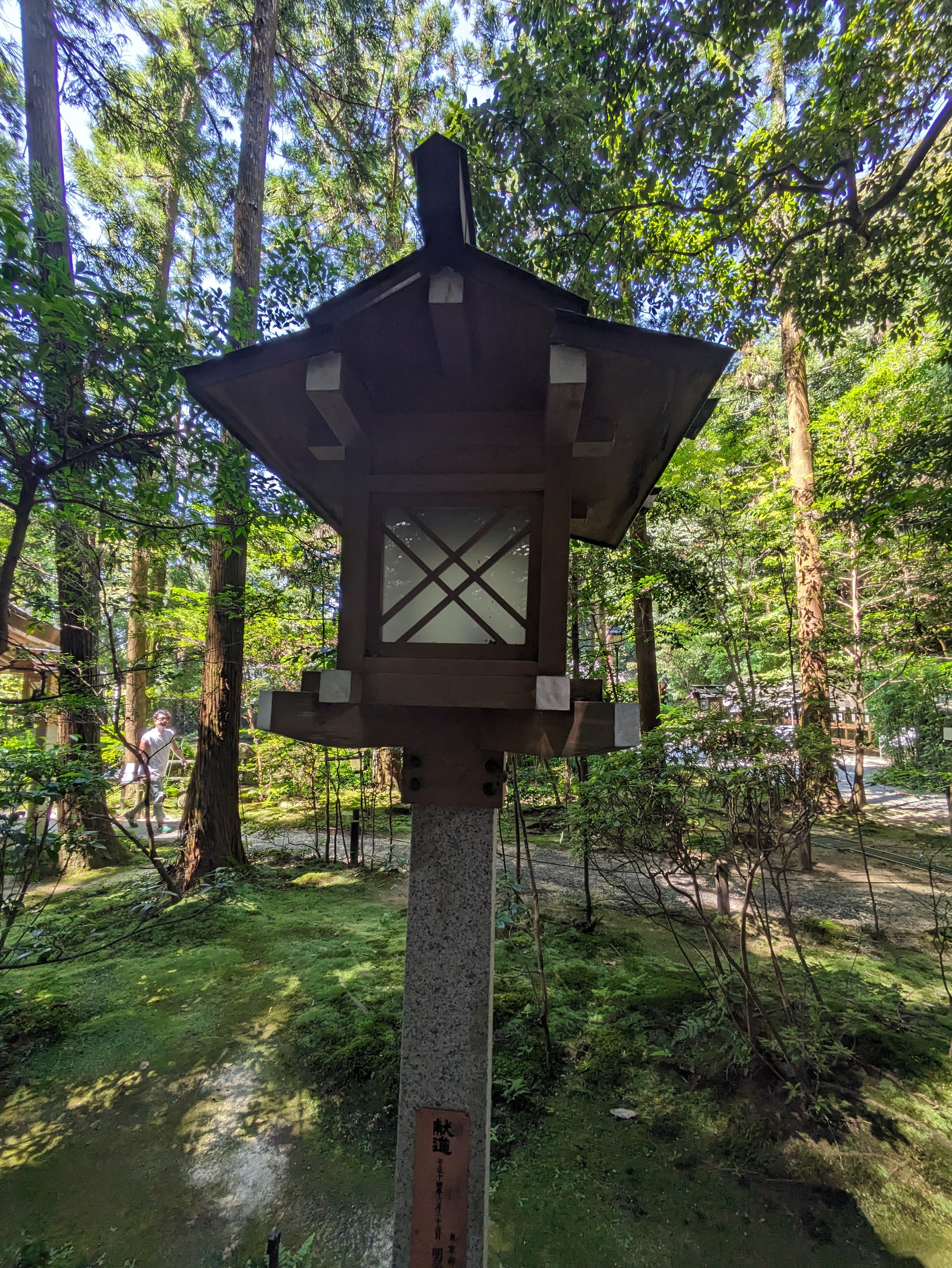
*The photographs in this article were all from the surrounding areas of Mt. Miwa. As per the rules, no photographs were taken upon entering the mountain.


 Secrets from Japan and beyond