The distinct fan-shaped leaves of the Ginkgo tree shimmer, catching the warm autumn afternoon sunlight in a golden glow. Even after observing the same Ginkgo tree for days, one can still be caught off guard when it suddenly turns bright yellow, dazzling onlookers for a few days until the leaves fall off, leaving the branches stark against the sky.
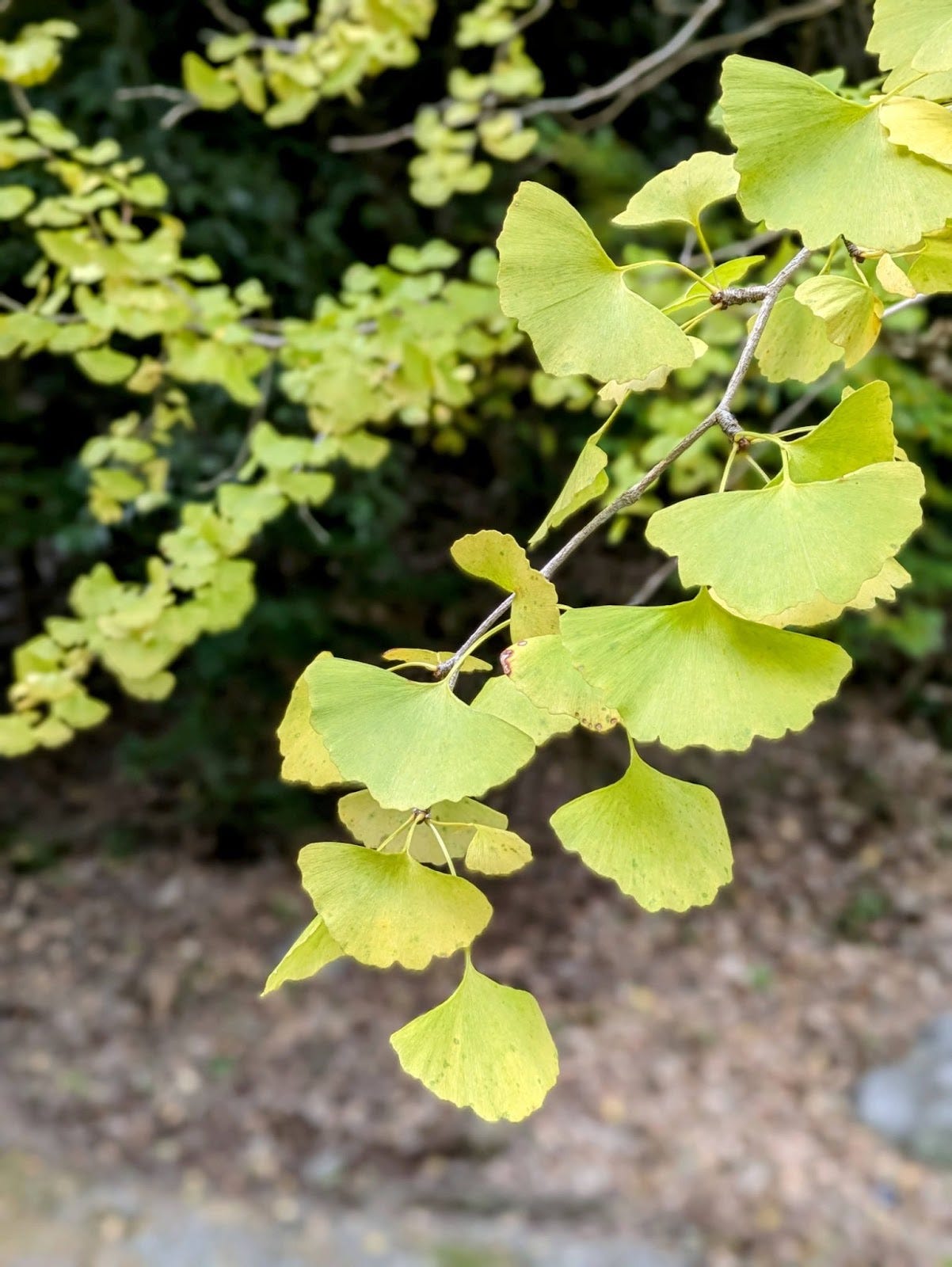
As one of the oldest living tree species, the Ginkgo is thought to be the only surviving representative of a group of trees that existed during the Jurassic period, earning it the title of a living fossil. Native to China, Ginkgo trees are commonly found in temples and shrines throughout Japan. The origins of their presence in Japan are unclear, but theories suggest that they survived in China because they were considered sacred by Buddhist monks. Visiting monks from Japan likely brought seeds back with them.
In the 17th century, the Ginkgo tree was widely believed to be extinct—until the German scientist, naturalist, and physician Engelbert Kaempfer discovered it in Japan. Kaempfer lived in Dejima, Nagasaki, at the Dutch trading post from 1690 for a couple of years, gathering information on a wide array of subjects. At a time when Japan was still secluded from the rest of the world, his two pivotal works, ‘History of Japan’ and ‘Amoenitatum exoticarum’, provide crucial references for Western knowledge of Japanese history and botany.
The Ginkgo trees possesses a dual, somewhat paradoxical nature. Known for its medicinal properties and valued for its timber, it has survived urban pollution, fires, and even the atomic bombing of Hiroshima. Yet, it is also listed as an endangered species by the IUCN Red List. Its seeds, a seasonal delicacy, are enjoyed in various Chinese and Japanese dishes, but come with a warning: a few are delightful, but too many can be toxic.
Ginkgo trees have also inspired poets and writers. The author Natsume Soseki wrote a famous haiku after spending time in Kenchoji, a Zen temple in Kamakura: “When the bell rings, ginkgo leaves scatter at Kenchō-ji.” Not long after, his friend, the poet and writer Masaoka Shiki visited Horyuji, a temple in Nara and wrote this haiku, “Biting into a persimmon, the bell rings at Hōryū-ji”.
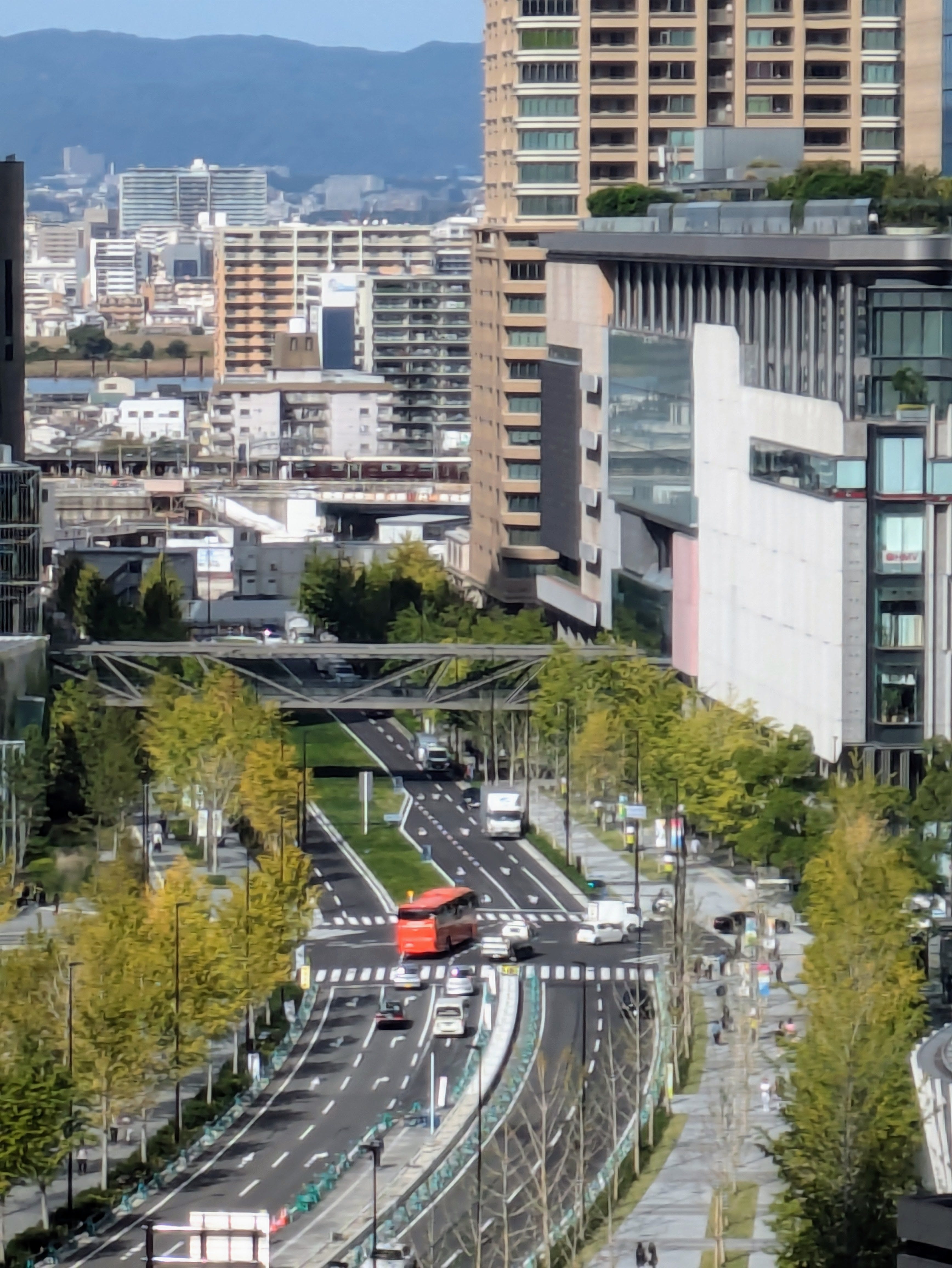
In present day Japan, Ginkgo trees are omnipresent. The trees are commonly planted along streets and parks. They are the most popular street tree of choice in Osaka. Between the 1920s and 1940s, the city’s first major urban planning project aimed to alleviate overcrowding and improve transportation infrastructure. Midosuji, a 4-kilometer street stretching from Umeda to Namba, is lined with hundreds of Ginkgo trees, many of which were planted in 1919. Similarly, the symbol of Tokyo city resembles a Ginkgo leaf; however, the government of Tokyo claims it is a hidden “T.” While the government’s explanation exists, many people associate the symbol with the Ginkgo leaf, as Ginkgo trees are indeed the city’s symbolic trees.
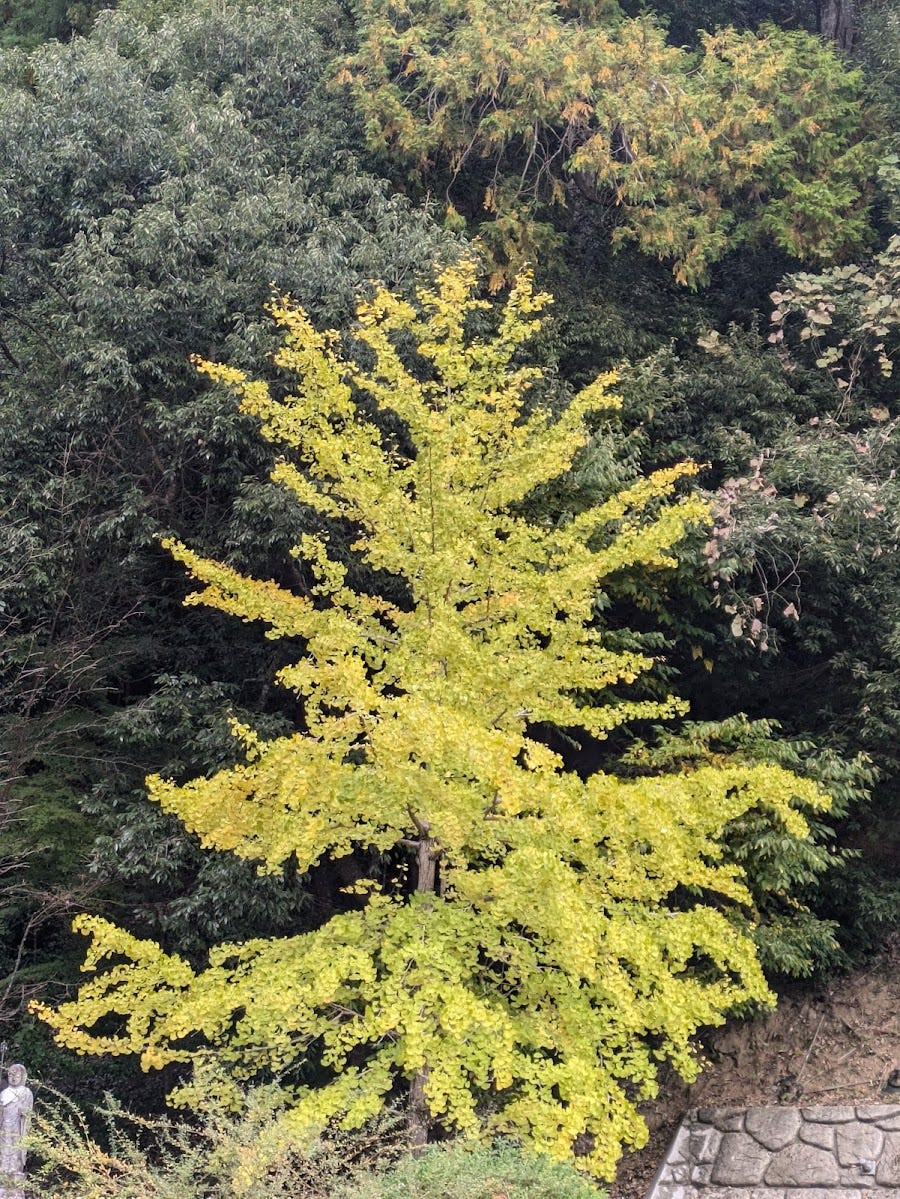
Ginkgo trees are popular in autumn due to their spectacular yellow display. However, they maintain their charm throughout the year: in spring, they sprout fresh leaves that enhance the vibrant surroundings; in summer, their lush green foliage catches the wind, creating the impression of thousands of wind chimes gently ringing; in autumn, their leaves undergo a sudden and striking color change; in late autumn, fallen leaves create a carpet of yellow; and in winter, when the branches are bare, they invite reflection on the past and anticipation for what is yet to come.
Selected Sources
- https://www.dwc.doshisha.ac.jp/research/faculty_column/12049
- https://kikorin.jp/contents/library/history/000178.html
- https://www.city.osaka.lg.jp/kyoiku/page/0000008923.html
- https://www.nga.gr.jp/pref_info/symbol/tokyo.html
- https://mortonarb.org/plant-and-protect/trees-and-plants/ginkgo/
- https://www.kew.org/plants/ginkgo-tree
- https://wolfgangmichel.web.fc2.com/publ/aufs/67/67.htm
- https://www.qsr.mlit.go.jp/suishin/story2019/english/06_5.html
 Secrets from Japan and beyond